Alumina HTCC Multilayer Ceramic Substrates
Ceramic Substrate
SKU: FWM/CS-ALU-013
- Material
- Alumina HTCC
- Size
- Custom sizes by drawing
- MOQ
- Confirmed by quotation
- Applications
- Hermetic Electronic Packages
High-temperature co-fired alumina multilayer substrates and packages for hermetic electronic interconnection, reviewed against conductor system, layer design and assembly requirements.
Browse Products
Alumina Ceramic Products
Zirconia Ceramic Products
Silicon Carbide Products
Silicon Nitride Products
Aluminum Nitride Products
Product Description

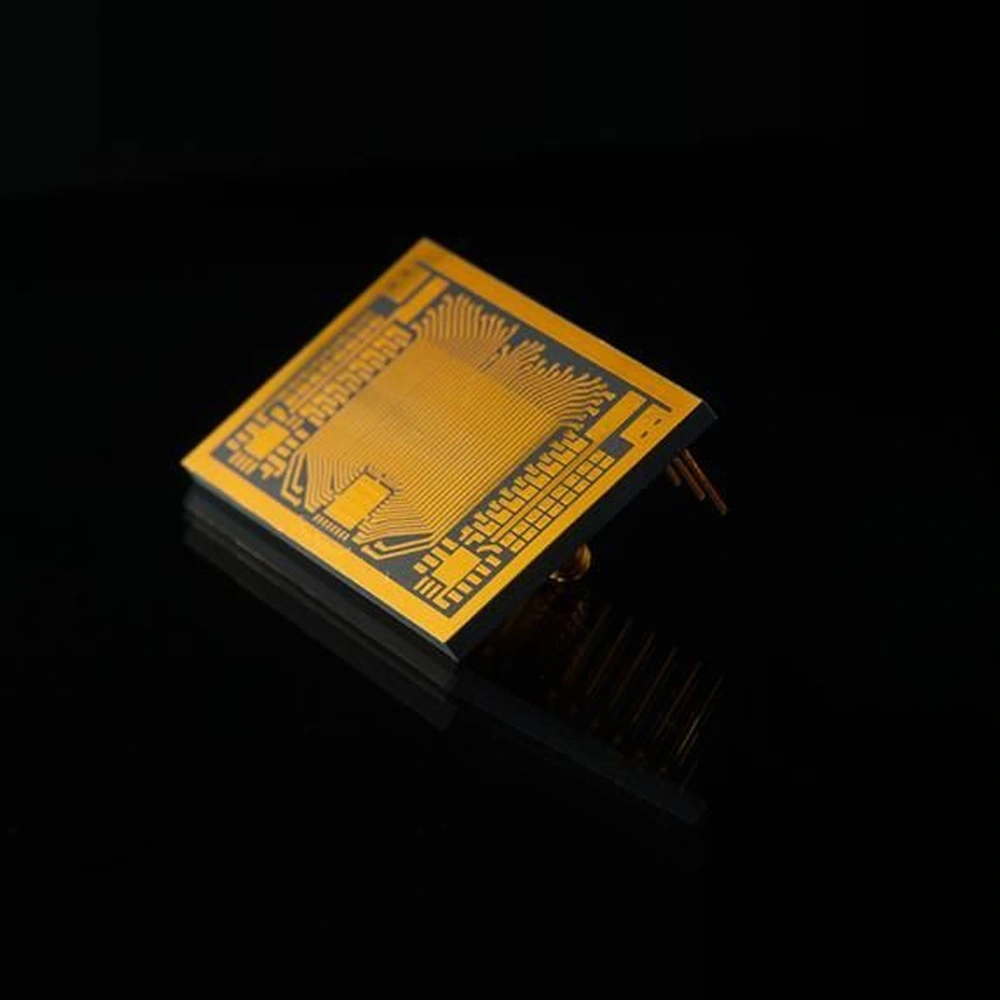
Alumina HTCC substrates integrate ceramic layers, conductive patterns and vias into a co-fired multilayer body.
Internal interconnections and package features support compact electronic assemblies and hermetic-package designs. Hermetic sealing depends on the completed enclosure and joints, not on the HTCC material designation alone.
HTCC components combine co-fired alumina layers with metallization and package features. Layer count, conductor system and vias require design review.
Product Features
- Co-fired layers integrate conductor paths and vias within the ceramic body.
- Multilayer routing supports compact electronic interconnections.
- Cavity and package features can be incorporated into the defined construction.
Typical Applications & Selection
- Hermetic Electronic Packages
- Multilayer Interconnects
Define the fired multilayer package
HTCC is a multilayer ceramic construction with embedded conductors and vias. Specify the final fired geometry and layer connections rather than treating it as a machined bare alumina plate.
Treat sealing as a package requirement
Cavities, lid interfaces and external terminals should be coordinated with assembly. A ceramic body alone does not establish hermeticity; the finished sealing system needs a defined test basis.
HTCC: specify the fired multilayer package
HTCC co-fires ceramic layers and compatible conductors into a multilayer body. Conventional alumina HTCC commonly uses refractory conductor systems such as tungsten or molybdenum to withstand the firing route. The controlling design is the fired stack, its interconnections and package interfaces, not a bare plate with copper added afterward.

HTCC Alumina (A440) Properties
| Material property | A440 — co-fired alumina | Test condition / basis |
|---|---|---|
| Relative permittivity | 9.8 | 1 MHz |
| Dielectric loss tangent | 0.0024 | 1 MHz |
| Thermal conductivity | 14 W/(m·K) | — |
| Coefficient of thermal expansion | 7.1 × 10⁻⁶/K | Room temperature–400°C |
| Bending strength | 400 MPa | Three-point bending |
| Co-fire-compatible conductors | Tungsten / molybdenum | Co-fired material system |
How to Read the Parameters
- Layer stack
Unfired sheet dimensions and final fired geometry are different specifications.
Specify: Material system, shrinkage basis and critical fired dimensions.
- Conductors and vias
Interconnect behavior depends on the compatible conductor system and geometry.
Specify: Routing, continuity, resistance and registration requirements.
- Hermeticity
A package leak requirement is separate from bulk ceramic properties.
Specify: Seal structure, test method, conditions and acceptable leak criterion.
- Electrical properties
Frequency and temperature conditions matter for dielectric and circuit data.
Specify: Selected ceramic/conductor system and finished-path acceptance.
Design, Inspection & RFQ Review
Fired geometry
Specify layer thicknesses, cavities, alignment and external dimensions after firing.
Conductor network
Define vertical connections and each layer’s circuit function.
Sealing and assembly
Hermeticity depends on the complete enclosure and sealing process, not the ceramic name.
Send With Your Drawing
- Fired layer stack, conductor/via map and dimensional datums.
- Cavity geometry, sealing surfaces and external terminal/finish requirements.
- Assembly process, operating conditions and any leak-test acceptance criteria.
Include the drawing revision, sample and production quantities, and required inspection documents.
Define Acceptance Before Production
- Inspect fired dimensions and specified conductor/via continuity and isolation.
- Verify cavity/sealing interfaces; test hermeticity on the appropriate completed package.
Agree the test methods, sampling plan, acceptance limits and required reports before production.
Available Forms
Final construction depends on the electrical, mechanical, sealing and assembly requirements.
- Multilayer Substrates
- Ceramic Packages
- Cavity Structures
- Custom Interconnect Layouts
Engineering Questions
Can HTCC use the same material table as a 99.6% bare alumina plate?
Not by default. HTCC uses a compatible co-fired ceramic/conductor system with its own composition and properties. Specify the actual material system.
Is HTCC equivalent to a machined bare-alumina substrate?
No. HTCC integrates conductors and vias during co-firing, so material compatibility, shrinkage and the multilayer stack must be reviewed together.
Does an HTCC material designation guarantee a hermetic package?
No. The enclosure, metal joints and seal must be defined and validated against an agreed leak requirement.
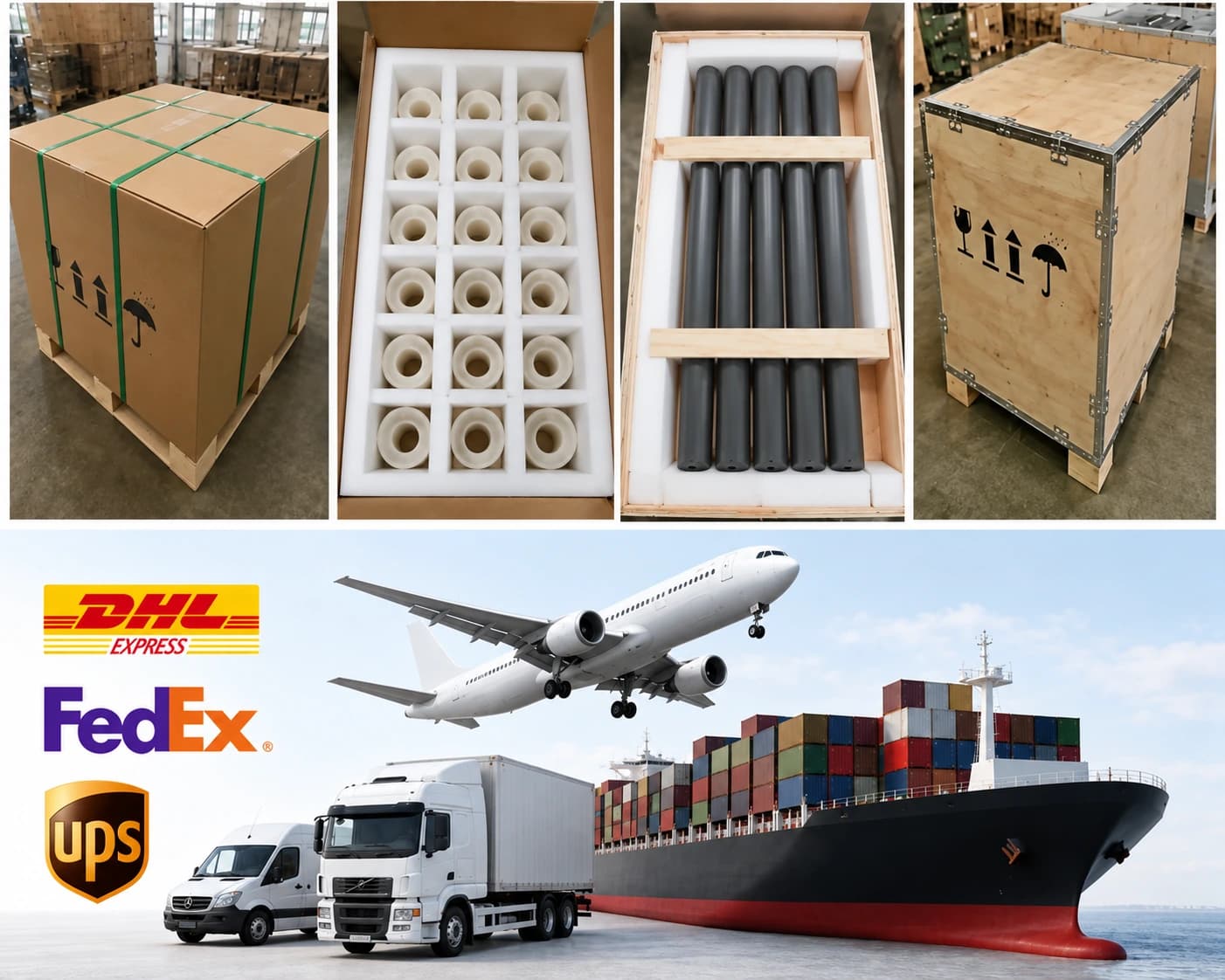
Packaging & Shipping
Packaging is selected for substrate finish, quantity and export handling.
| Item | Details |
|---|---|
| Packaging approach | Packaging is selected for substrate finish, quantity and export handling. |
| Protection methods | Individual separation; Anti-scratch interlayers for polished surfaces; Tray or foam protection; Inner box and export carton; Moisture protection where appropriate; Wooden case for larger export consignments when required |
| MOQ reference | Confirmed by quotation |
| Lead-time references | HTCC development and production: Confirmed after stack, conductor, tooling and qualification review |
| Payment terms | T/T / Western Union / PayPal; 50% advance payment, 50% balance before shipment |
| Shipping methods | Sea freight / Air freight / Door-to-door courier |
Related Ceramic Substrate Products
Compare related ceramic substrate materials and metallization routes within the same product family.