
Ceramic Insulating Substrates for Thermoelectric Modules
96% alumina insulating substrates for thermoelectric module assembly, reviewed for outline, thickness, surface condition and circuit requirements.
View product
Material-Specific Product Family

Alumina ceramic substrates are rigid insulating plates for printed or deposited circuits, electronic packages and component carriers.
Alumina ceramic substrates are rigid insulating plates for printed or deposited circuits, electronic packages and component carriers. The 96% and 99.6% material groups remain separate so purity, electrical properties and surface requirements can be matched to the process.
Bare blanks can be supplied in drawing-defined outlines with holes, slots or scribe patterns. Lapping and polishing define the surface state; they do not change the alumina purity. Copper-clad and co-fired constructions are selected as separate product routes.
Material & Process Filter
Only technically compatible routes are shown. Select one or more processes to compare matching products; clear the selection to return to the base-material portfolio.
Alumina grade
Product Family Portfolio
Select a product route for detailed application and drawing-review guidance.
5 products
96% alumina insulating substrates for thermoelectric module assembly, reviewed for outline, thickness, surface condition and circuit requirements.
View product
96% alumina substrates with drawing-defined laser holes for electronic circuits, packaging and precision assembly.
View product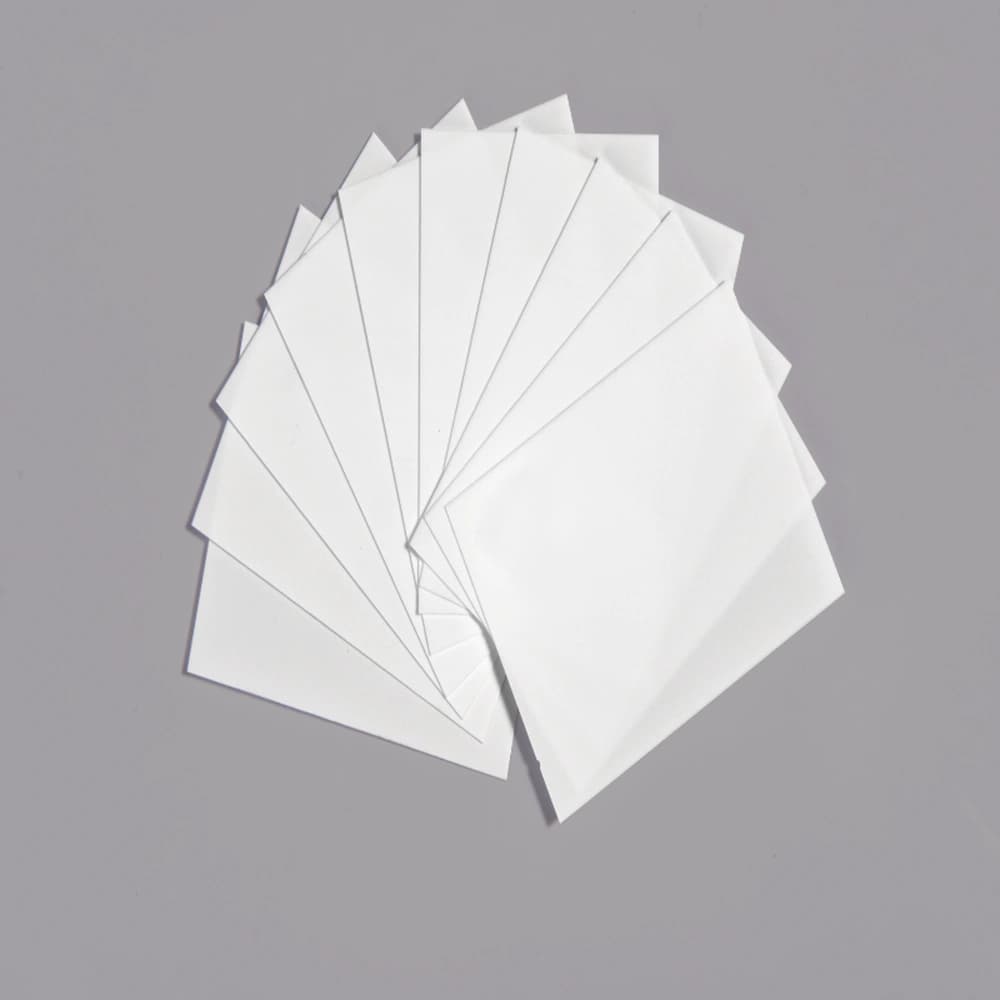
Large-format 96% alumina substrate configurations reviewed for thickness, flatness, warpage and downstream processing.
View product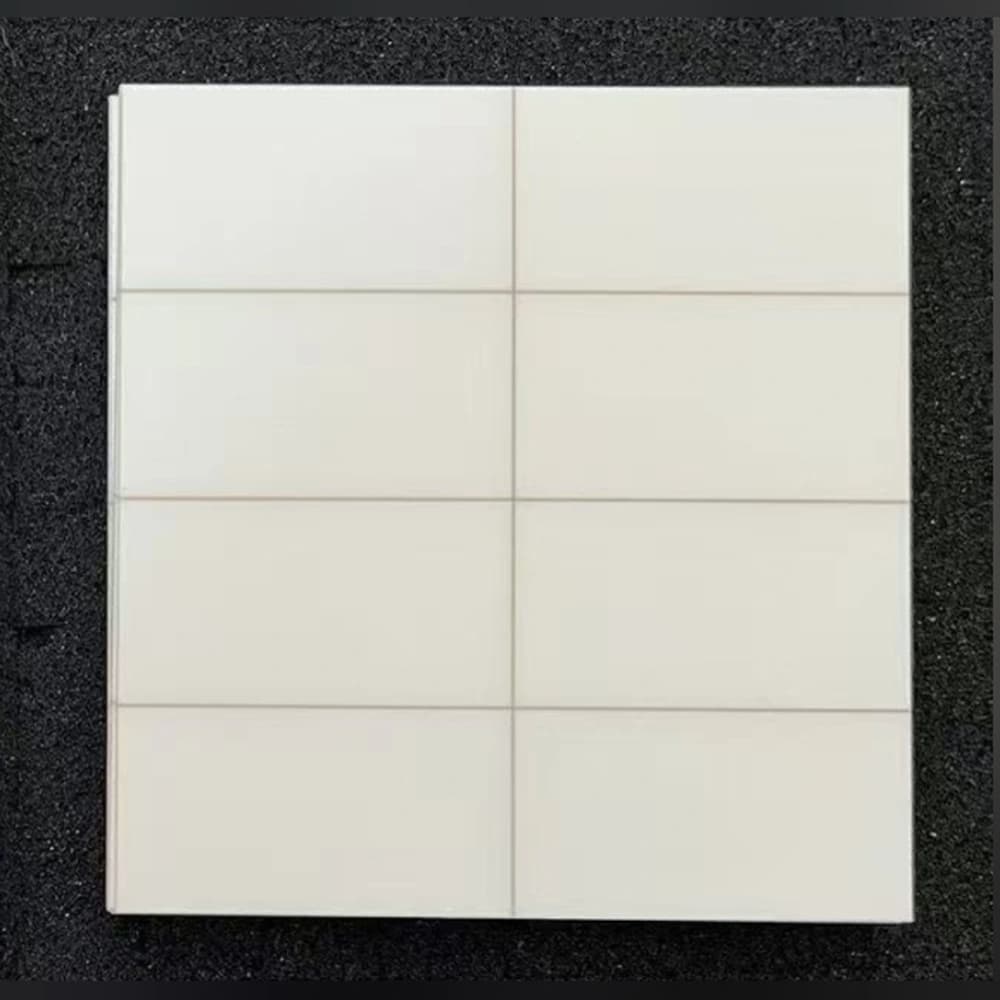
96% alumina substrates with controlled laser scribing for circuit-panel separation and integrated-circuit production.
View product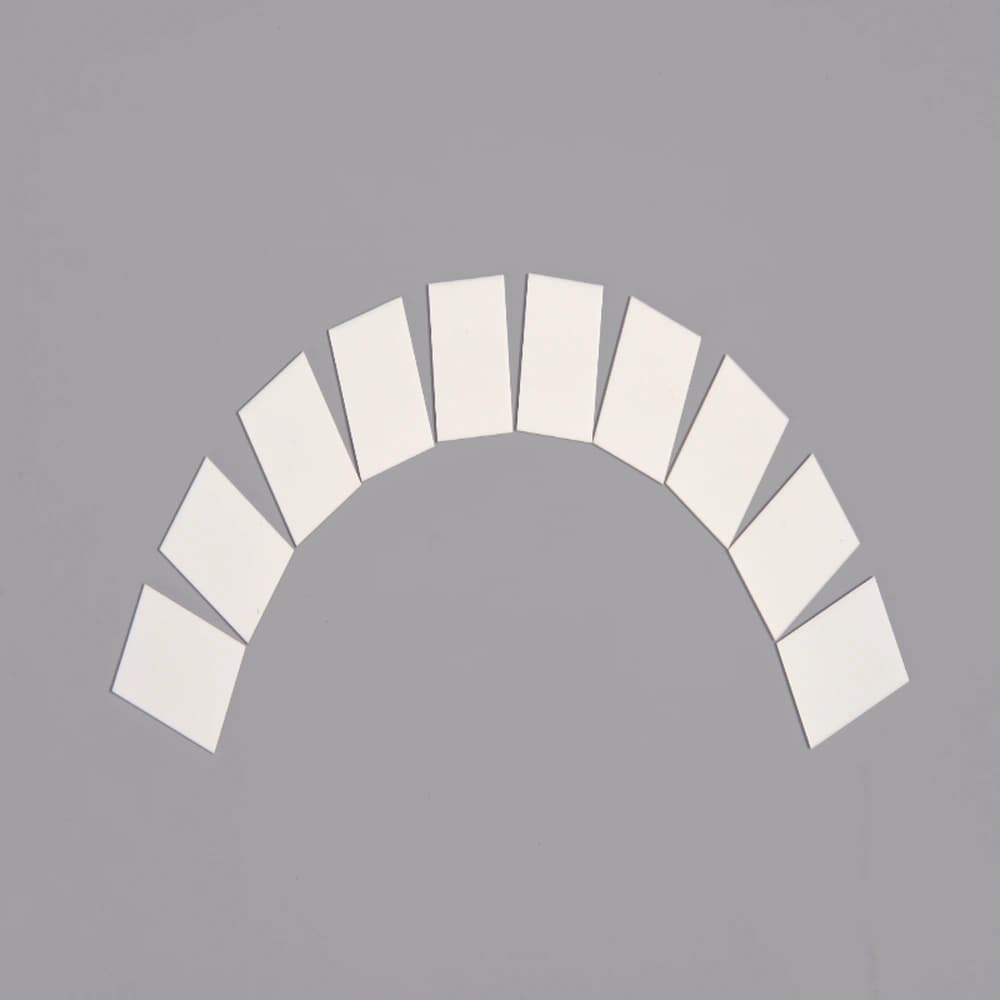
Surface-controlled alumina substrates for thin-film integrated circuits and precision electronic packaging.
View productProduct Family Portfolio
Select a product route for detailed application and drawing-review guidance.
7 products
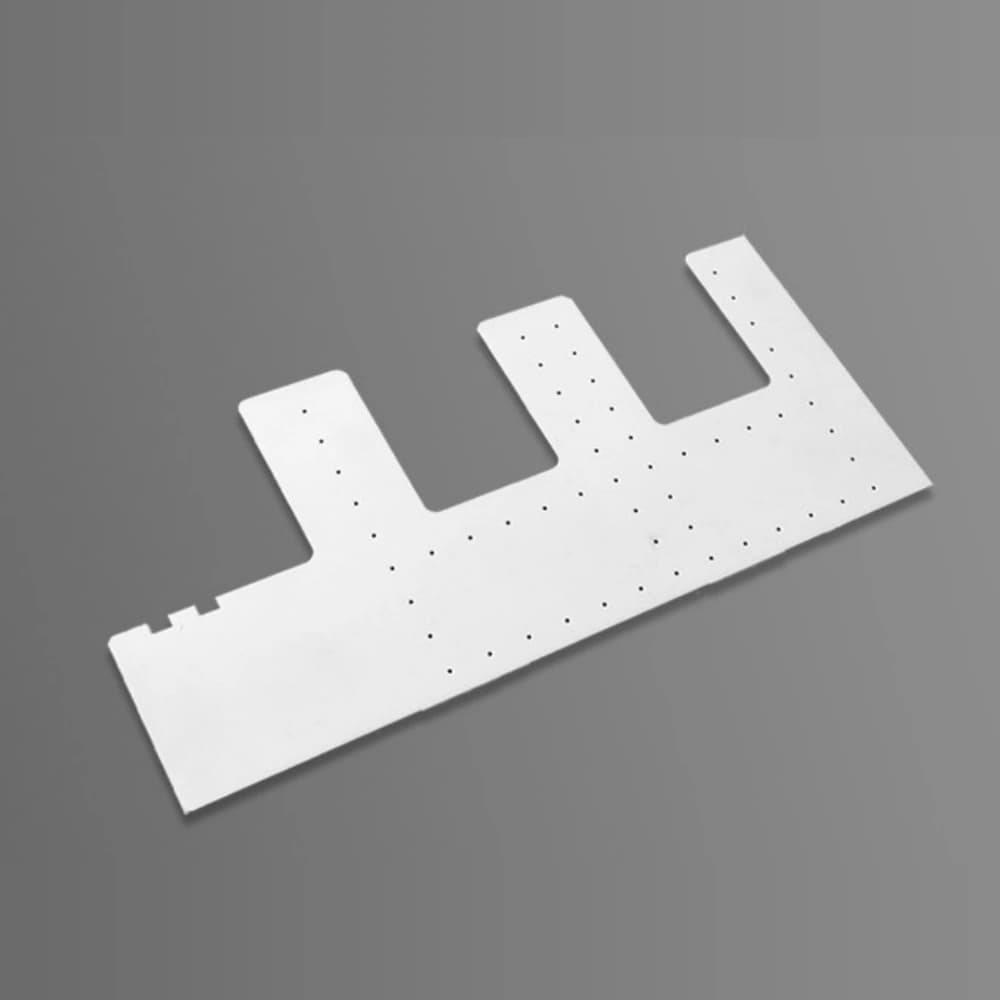
High-purity alumina substrates for optoelectronic transceiver packaging, precision circuits and electrically insulating carriers.
View product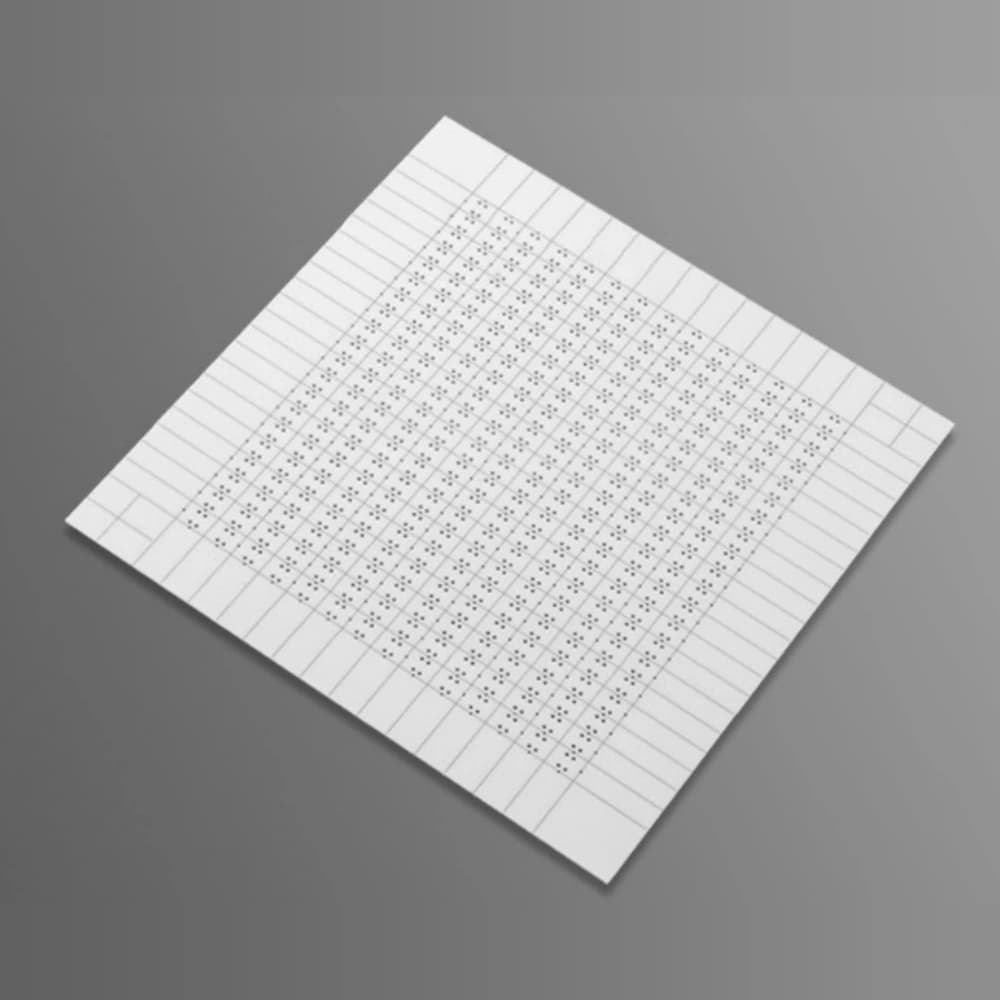
High-purity alumina substrates for stable crystal-oscillator circuit support and microelectronic packaging.
View product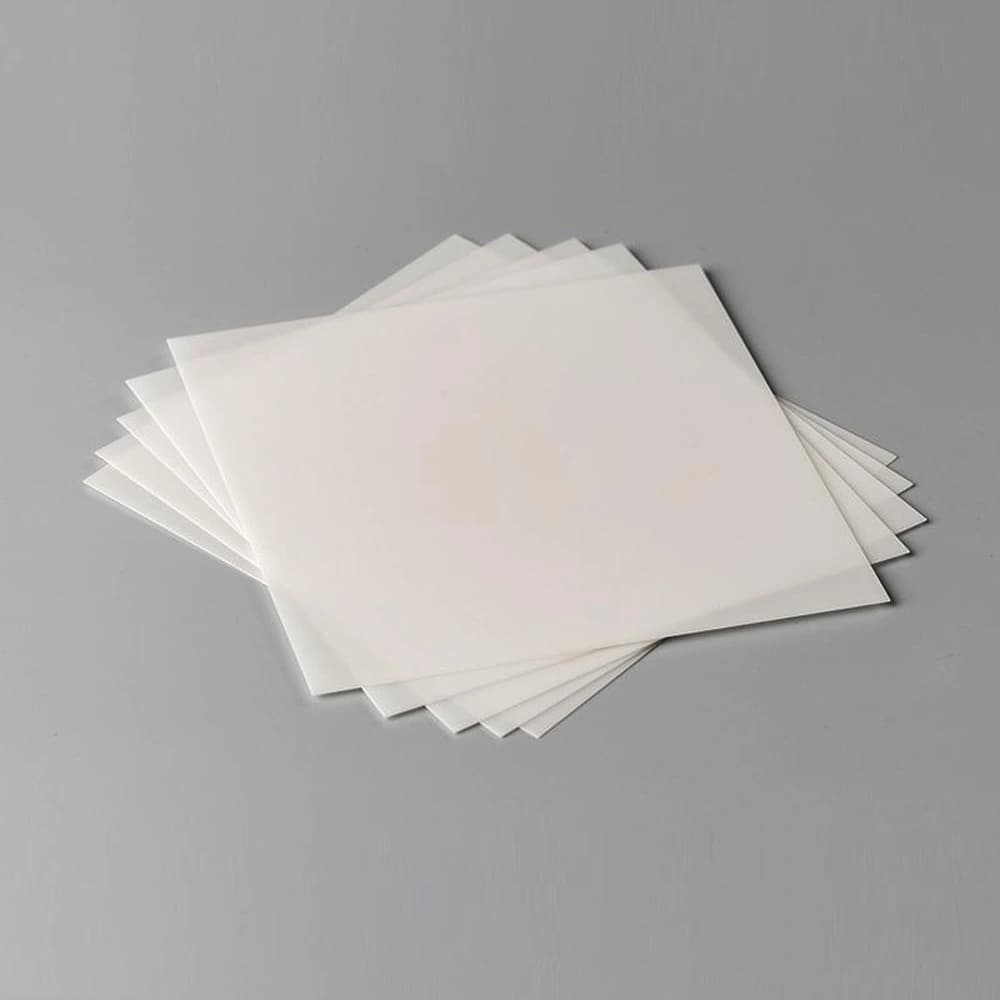
99.6% alumina substrates for precision electronic assemblies requiring high insulation and controlled surface quality.
View product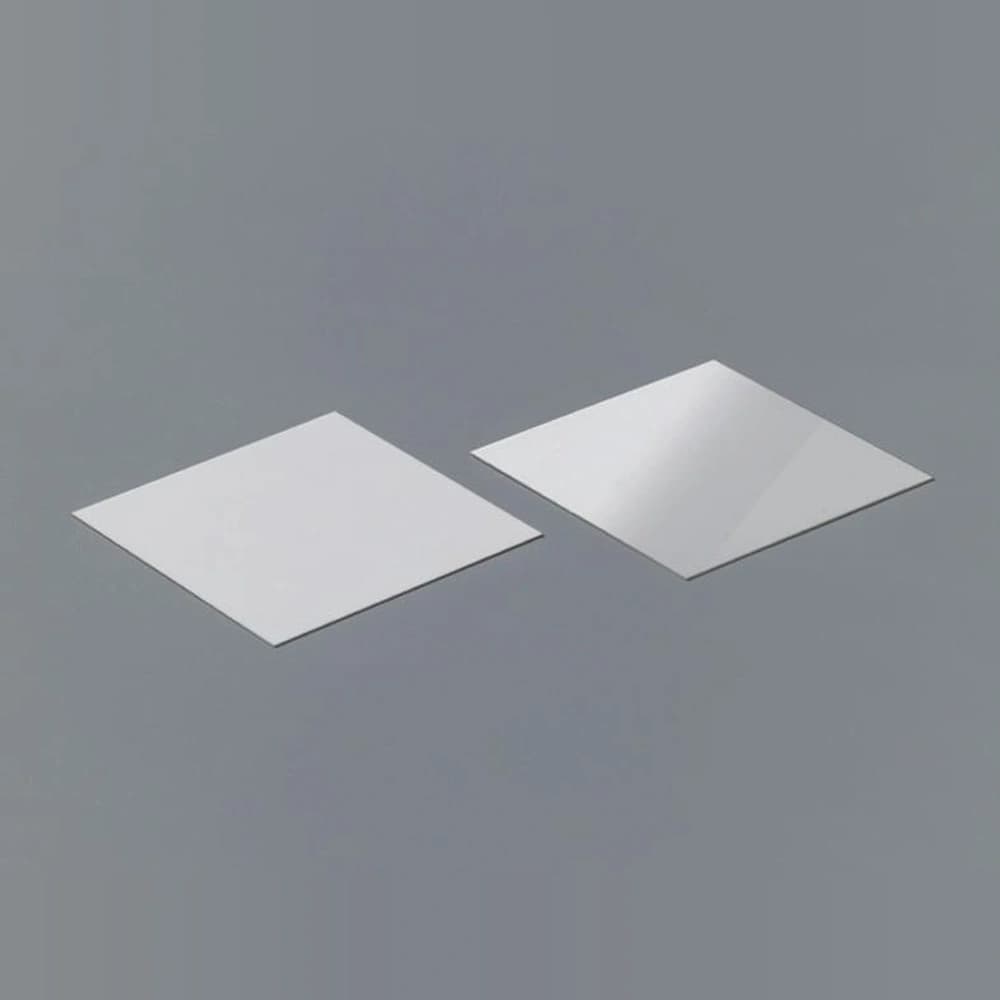
Polished high-purity alumina substrates for thin-film, optical and precision microelectronic processes.
View product
High-purity alumina substrate panels for chip-resistor manufacturing and precision thick-film processing.
View product
High-purity alumina substrates for electrically insulating power-module carriers and controlled circuit processing.
View productRelated Co-Fired Technology
LTCC is a glass-ceramic multilayer route, not a 96% or 99.6% dense alumina grade. It is kept here as a clearly separated related electronic-substrate option.
The final grade and processing route depend on the circuit, assembly, surface and operating requirements.
Typical Material Selection Data
| Property | 96% Al₂O₃ — 708 S | Test conditions / measurement tolerance ±10% |
|---|---|---|
| Density (g/cm³) | ≥3.75 | DIN EN 993-1 |
| Bending strength, σ₀ (MPa) | ≥500 | — |
| Young’s modulus (GPa) | ≥300 | — |
| Thermal conductivity (W/(m·K)) | 24 | Room temperature; DIN EN 821-2 |
| Linear thermal expansion coefficient (10⁻⁶/K) | 7–9 | 100–800°C; DIN 51045-1 |
| Specific heat capacity (J/(g·K)) | ≥0.75 | 20°C; DIN EN 821-3 method B |
| Relative permittivity | ~9.8 | Room temperature, 1 MHz; Ra ≤0.4 µm |
| Dielectric loss factor | ≤0.005 | Room temperature; 1 MHz; Ra ≤0.4 µm |
| Volume resistivity (Ω·cm) | ≥10¹⁴ | Room temperature; IEC 62631-3 |
| Breakdown strength (kV/mm) | AC≥15; DC≥15 | 20°C; AC / DC |
| Fracture toughness (MPa·m½) | ≥3.0 | Indentation-fracture (IF) |
Typical Material Selection Data
| Property | 99.6% Al₂O₃ — 710 C | Test conditions / measurement tolerance ±10% |
|---|---|---|
| Density (g/cm³) | ≥3.80 | DIN EN 993-1 |
| Bending strength, σ₀ (MPa) | ≥420 | ASTM C1499-08 |
| Young’s modulus (GPa) | ≥300 | — |
| Thermal conductivity (W/(m·K)) | ≥25 | Room temperature; DIN EN 821-2 |
| Linear thermal expansion coefficient (10⁻⁶/K) | 7–9 | 100–800°C; DIN 51045-1 |
| Specific heat capacity (J/(g·K)) | ≥0.65 | 20°C; DIN EN 821-3 method B |
| Relative permittivity | 8.5–11.5 | Room temperature, 1 MHz |
| Dielectric loss factor | ≤0.010 | Room temperature; 1 MHz; Ra ≤0.4 µm |
| Volume resistivity (Ω·cm) | ≥10¹⁴ | Room temperature; IEC 62631-3 |
| Breakdown strength (kV/mm) | AC≥15; DC≥15 | 20°C; AC / DC |
| Fracture toughness (MPa·m½) | ≥3.0 | Indentation-fracture (IF) |
Dimensions & Processing
| Feature | Specification basis |
|---|---|
| Outline and thickness | Length × width × thickness; drawing-defined shape |
| Holes, slots and scribe patterns | Feature size, position, edge distance and residual thickness for scribing |
| Surface state | As-fired, lapped or polished; functional faces and roughness |
| Geometrical control | Thickness variation, flatness, warpage and measurement support |
| Edges and downstream processing | Edge/chipping criteria and the film, bonding or metallization process |
Available Grades
These grade positions support early product-family selection. Final composition, acceptance criteria and processing route are confirmed during RFQ review.
Material Grade
A cost-effective substrate option for general electronic applications and electrical insulation.
Material Grade
A high-purity substrate option for precision electronics and demanding surface-quality requirements.
Product configuration
The processing route is reviewed against substrate thickness, feature layout, surface requirements, drawing and order needs.
Product Solutions
These configurations describe sourcing needs, not separate material grades. Each option is reviewed against the drawing, surface, feature and order requirements.
Quality & Inspection
Documentation and inspection scope are available on request and agreed during quotation.
Material reference
Review the separate alumina material page for material context and grade-selection guidance.
Ordering Information
Price and delivery are provided for the specified enquiry; prototype and production quantities can be stated separately.
Recommended MOQ
By quotation
Quotation inputs
Drawing, material, finish, quantity and delivery destination
FAQ
Practical sourcing questions for material selection, processing and ordering.
No. A bare substrate is the insulating ceramic base. A ceramic circuit board includes a conductor pattern and may include metallization, vias or assembly features. Specify whether the enquiry concerns bare ceramic, a metallized blank or a finished circuit.
Include length, width, thickness, outline, hole or scribe pattern, critical tolerances, flatness and roughness. Identify the functional faces and the downstream film, bonding or metallization process.
Match purity and surface condition to the circuit process, dielectric duty and contamination requirements. Thick-film and thin-film applications can have different priorities; higher purity is not a universal substitute for a complete specification.
Send the drawing, material and surface requirements, quantity and delivery destination. The quotation can then address the actual product and order rather than a generic website price or schedule.
Packaging & Shipping
Packaging is selected for substrate finish, quantity and export handling.
What to Specify for Your RFQ
Clear product and processing details help the team review feasibility, material grade and the appropriate quotation scope.
Engineering RFQ
Provide the drawing, dimensions, quantity and application requirements so the team can review material and processing options before quotation.
