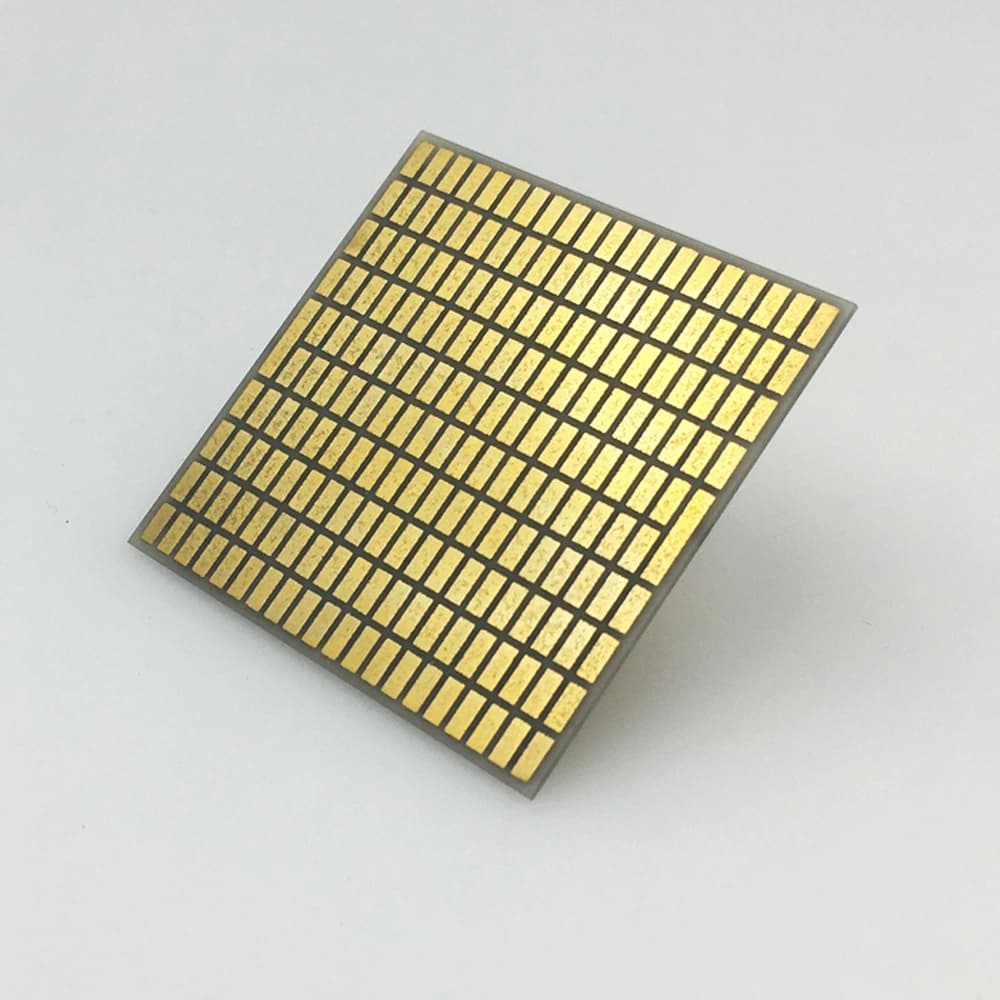
AlN Copper-Clad DBC Substrates for Thermoelectric Modules
AlN DBC substrates for thermoelectric modules requiring thick copper, electrical insulation and efficient heat transfer.
View product
DBC Product Family

DBC ceramic substrates bond copper foil to an alumina or aluminum nitride insulating layer.
DBC ceramic substrates bond copper foil to an alumina or aluminum nitride insulating layer. The copper forms current paths and attachment surfaces, while the ceramic separates the circuit electrically from its mounting structure.
Single- and double-sided copper layouts combine current carrying with heat spreading. Ceramic thickness, copper thickness and the etched geometry define the finished stack; alumina and AlN thickness groups remain distinct.
Product Family Portfolio
Select a product route for detailed application and drawing-review guidance.
5 products
AlN DBC substrates for thermoelectric modules requiring thick copper, electrical insulation and efficient heat transfer.
View product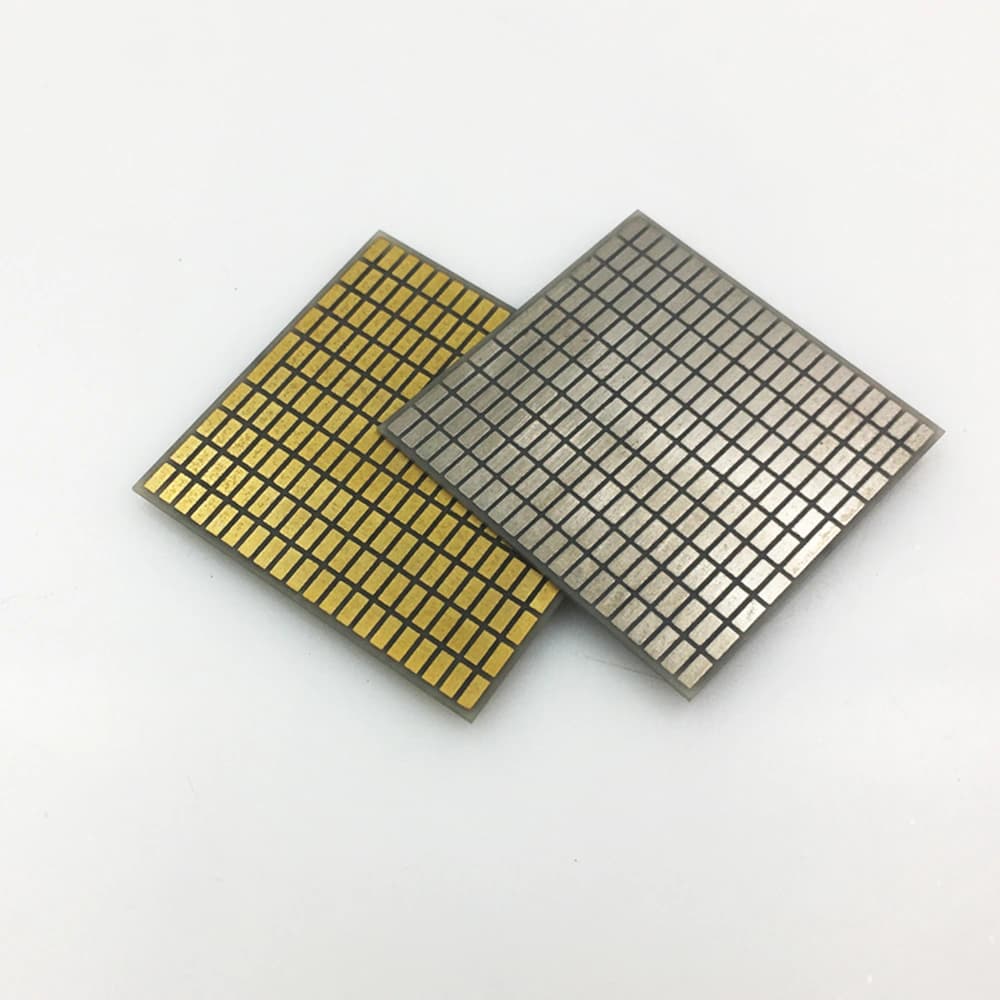
Double-sided DBC ceramic substrates for established high-current power layouts and thermal-management assemblies.
View product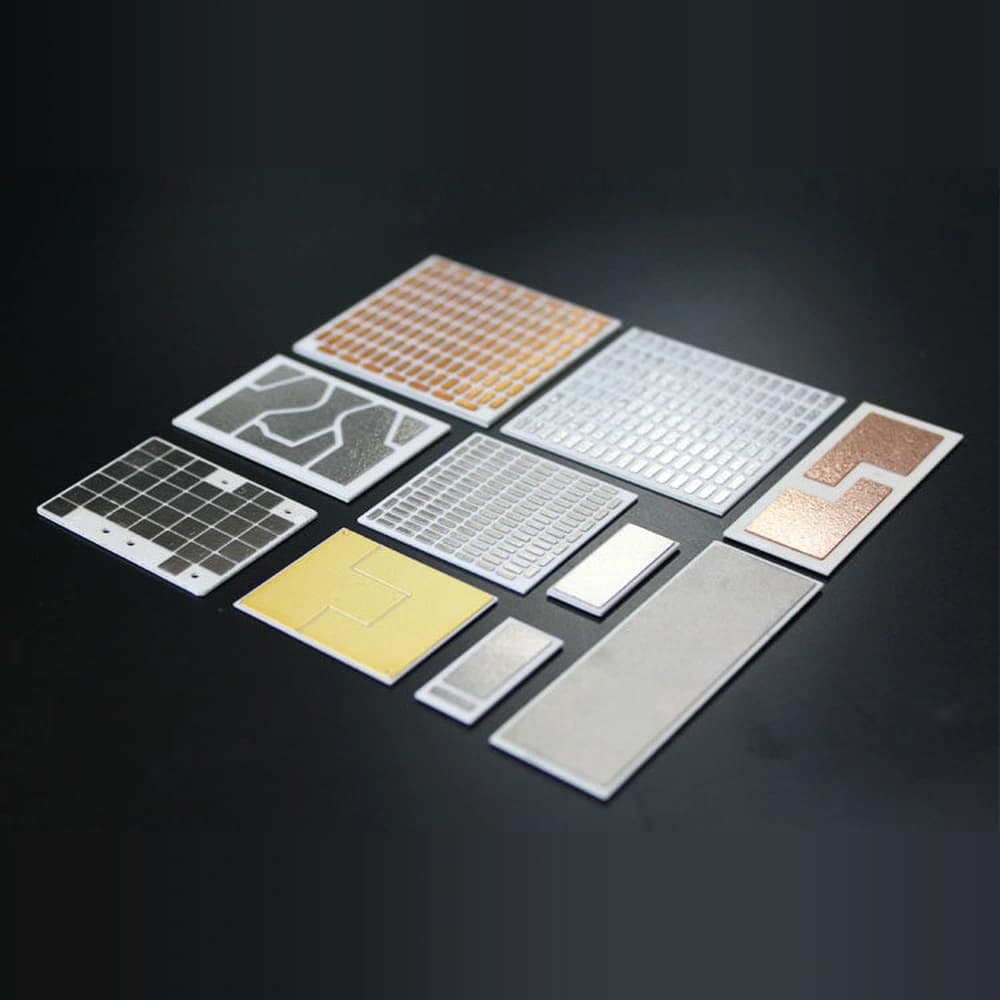
DBC substrates for thick-film power circuits requiring robust bonded copper and electrical insulation.
View product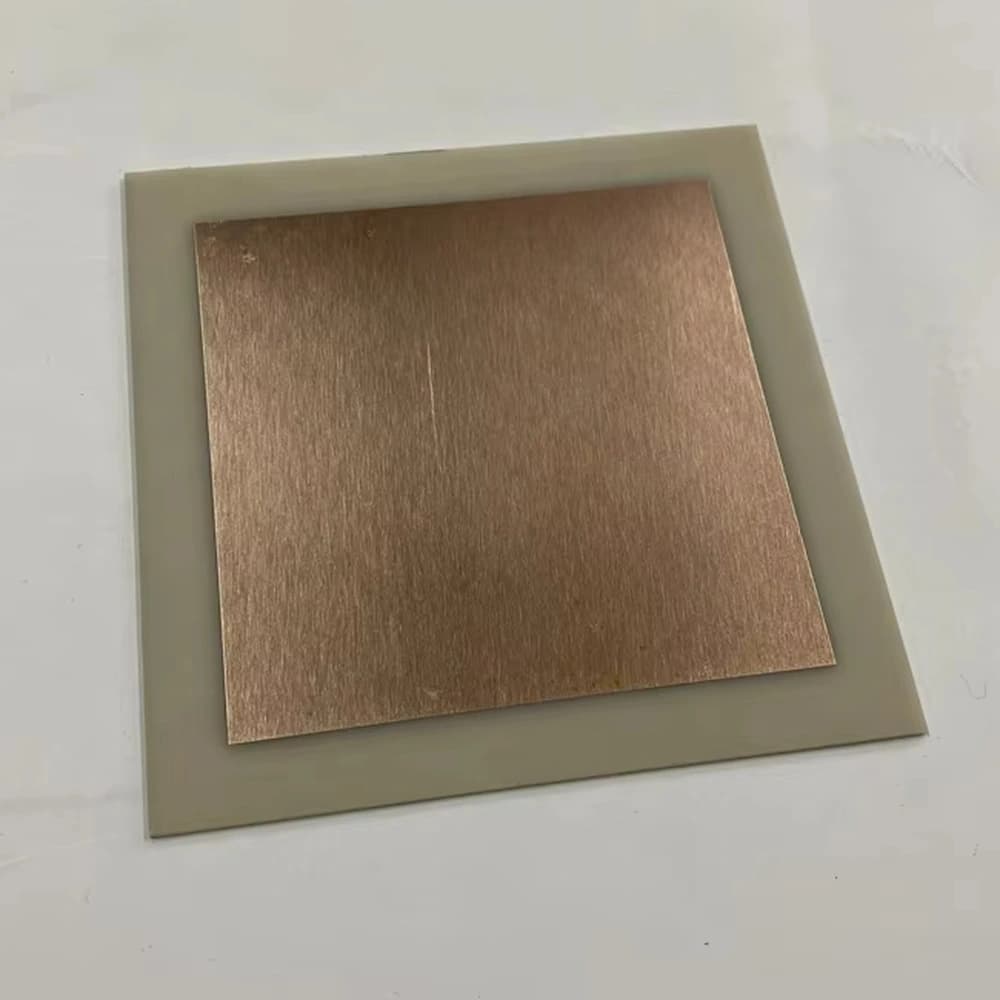
AlN DBC substrates for high-current circuits where bulk heat transfer and electrical insulation are primary constraints.
View product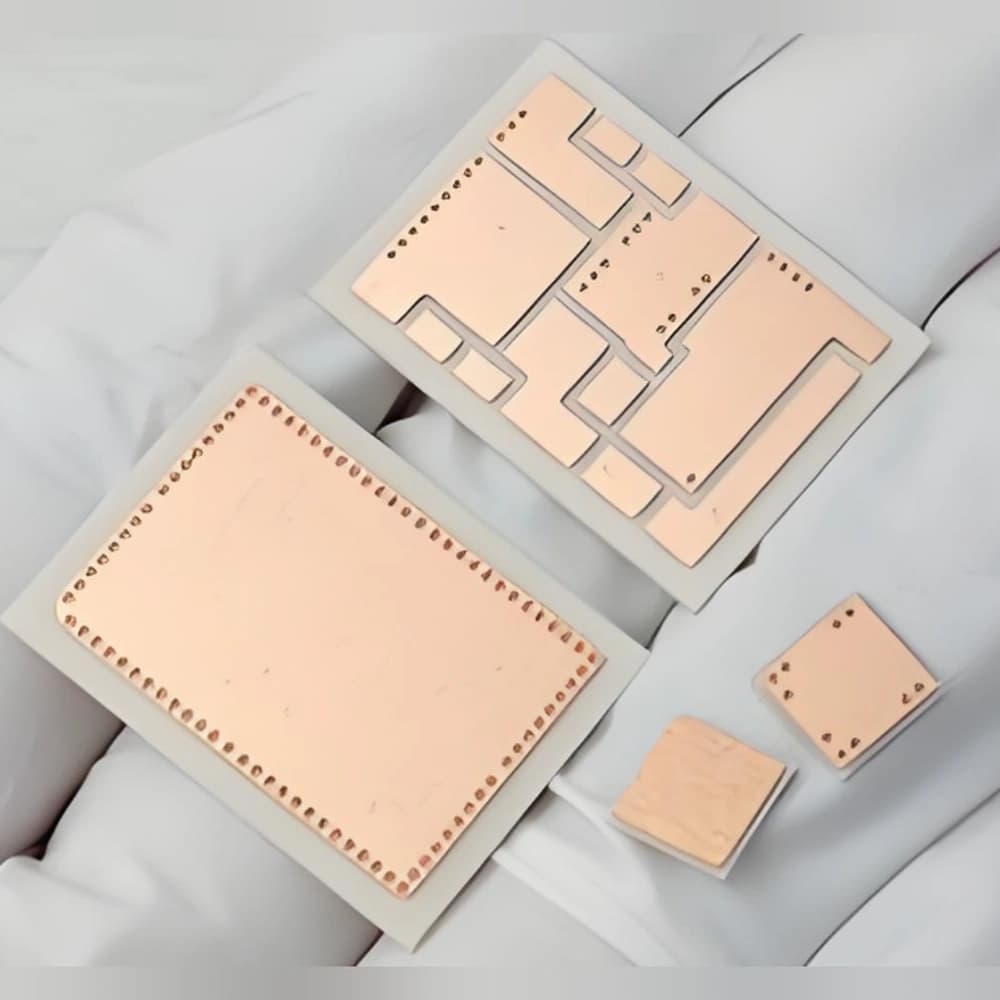
Alumina DBC substrates for mature thick-copper power circuits and cost-balanced electronic assemblies.
View productCopper circuits and ceramic insulation support the electrical and thermal paths in power assemblies.
Construction Parameters
| Construction item | Typical configuration | Applicable condition |
|---|---|---|
| Ceramic base | 96% Al2O3 or AlN | Route dependent |
| Ceramic thickness | Alumina: 0.25–1.00 mm; AlN: 0.25–1.50 mm | Matched ceramic / copper stack |
| Copper thickness | 0.10–0.30 mm | Copper thickness and ceramic stack selected together |
| Line / space | Etched-pattern dependent | Copper thickness, etch profile and insulation clearance |
| Surface finish | Bare/protected Cu; selected Ni, Ni/Au or Ag | Assembly-process dependent |
| Bond / peel testing | Construction-specific test | Peel method, coupon geometry and acceptance criterion |
Construction Selection
| Element | Function | Construction definition |
|---|---|---|
| Ceramic | Electrical insulation and heat path | Material grade, thickness and functional surface |
| Copper | Current paths, attachment and heat spreading | Top / bottom thickness, pattern and isolation gaps |
| Interface and finish | Copper attachment and subsequent assembly | Bonded interface, etched profile and attachment finish |
| Thermal / electrical assessment | Performance of the complete stack | Layer geometry, test method, operating conditions and interfaces |
Product configuration
Processing defines the conductor geometry and the surfaces used in assembly.
Configuration Scope
Ceramic base, copper system, circuit layout, finish and qualification requirements are reviewed together.
Quality & Inspection
Inspection and documentation are available on request and defined during quotation.
Ordering Information
MOQ and lead time depend on ceramic base, copper layout, finish, panel utilization, quantity and qualification requirements.
Recommended MOQ
5 pieces or one master-card equivalent
DBC
5-9 weeks
FAQ
Practical sourcing questions for material selection, processing and ordering.
Yes. Alumina and AlN are common for DBC/DPC, while Si3N4 is the priority AMB base for high-reliability power modules.
Copper thickness, etch profile and required electrical clearance establish the conductor and isolation-gap geometry.
Provide ceramic and copper thickness, metallization route, circuit file, finish, electrical or reliability criteria, quantity and assembly process.
Packaging & Shipping
Packaging is selected for master cards, individual units and copper surface condition.
What to Specify for RFQ
Metallized substrates require more than an outline drawing.
Engineering RFQ
Provide the drawing, dimensions, quantity and application requirements so the team can review material and processing options before quotation.