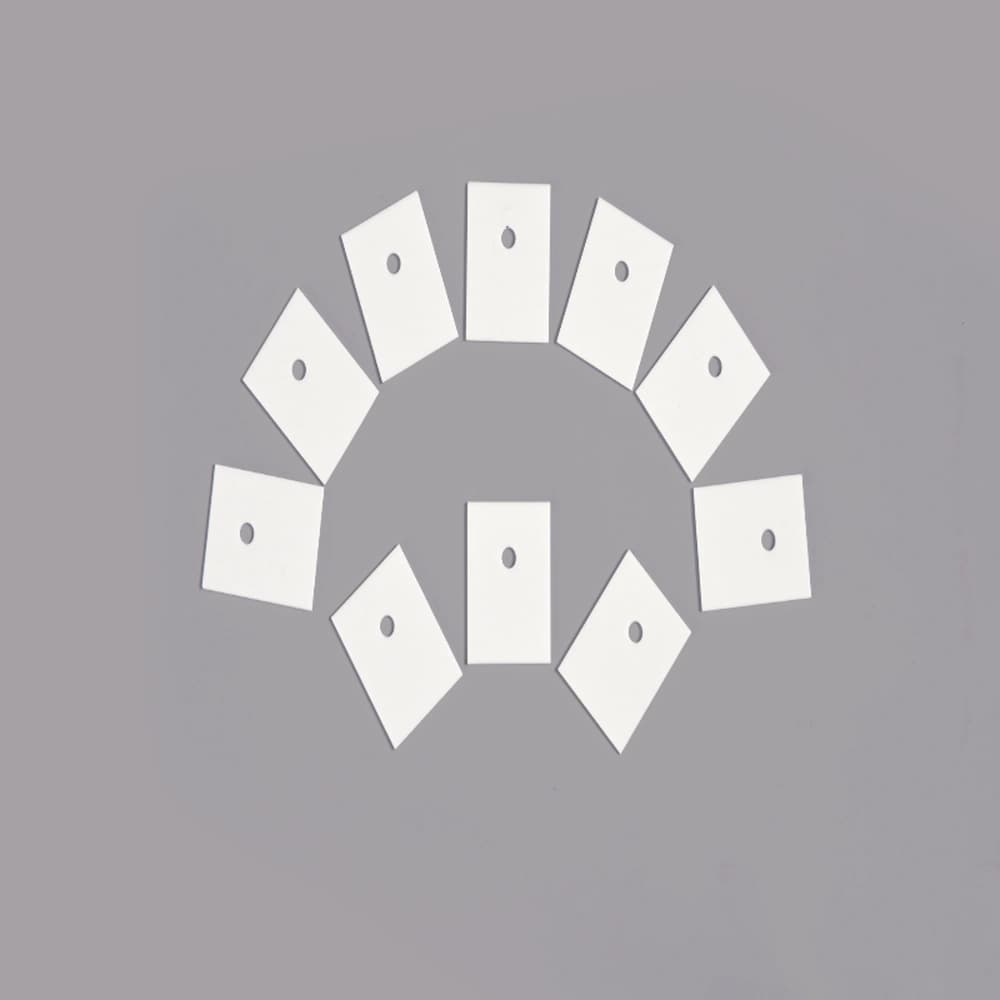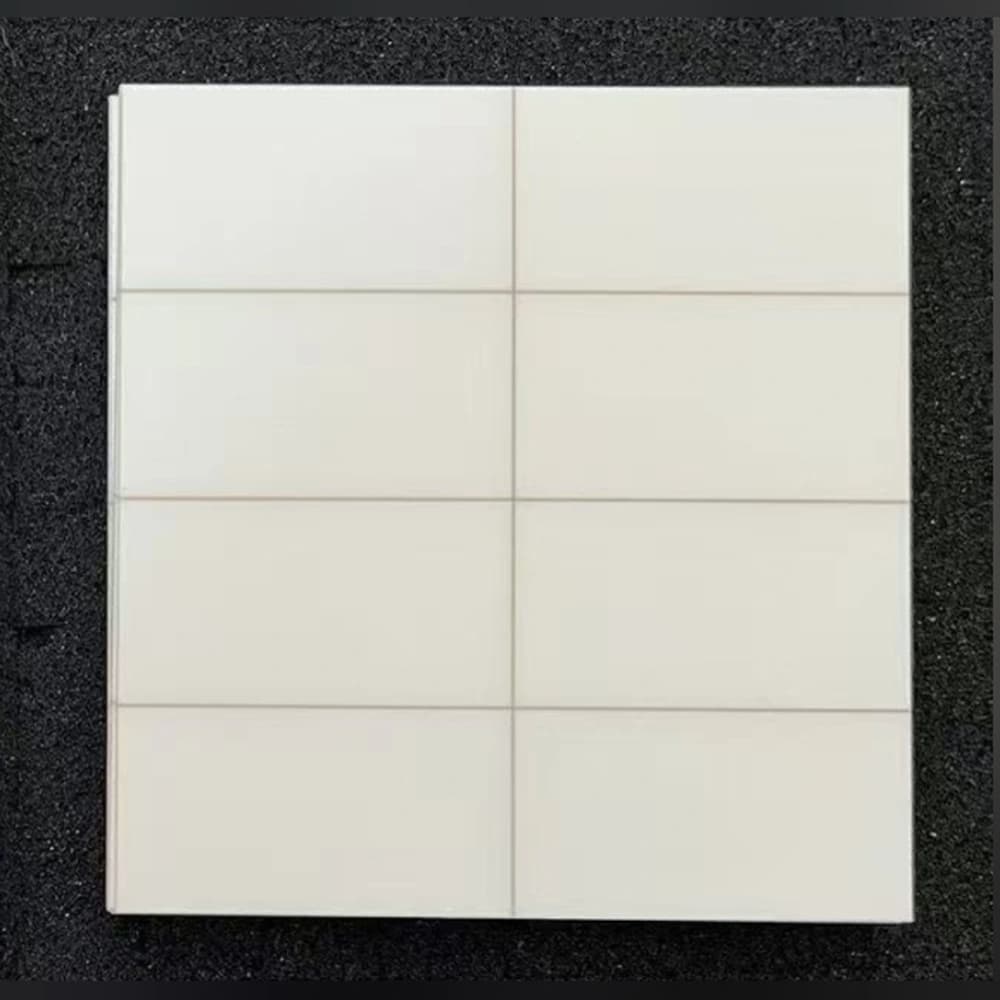
LTCC Glass-Ceramic Multilayer Substrates
Ceramic Substrate
SKU: FWM/CS-ALU-014
- Material
- LTCC Glass-Ceramic
- Size
- Custom sizes by drawing
- MOQ
- Confirmed by quotation
- Applications
- High-Frequency Packages
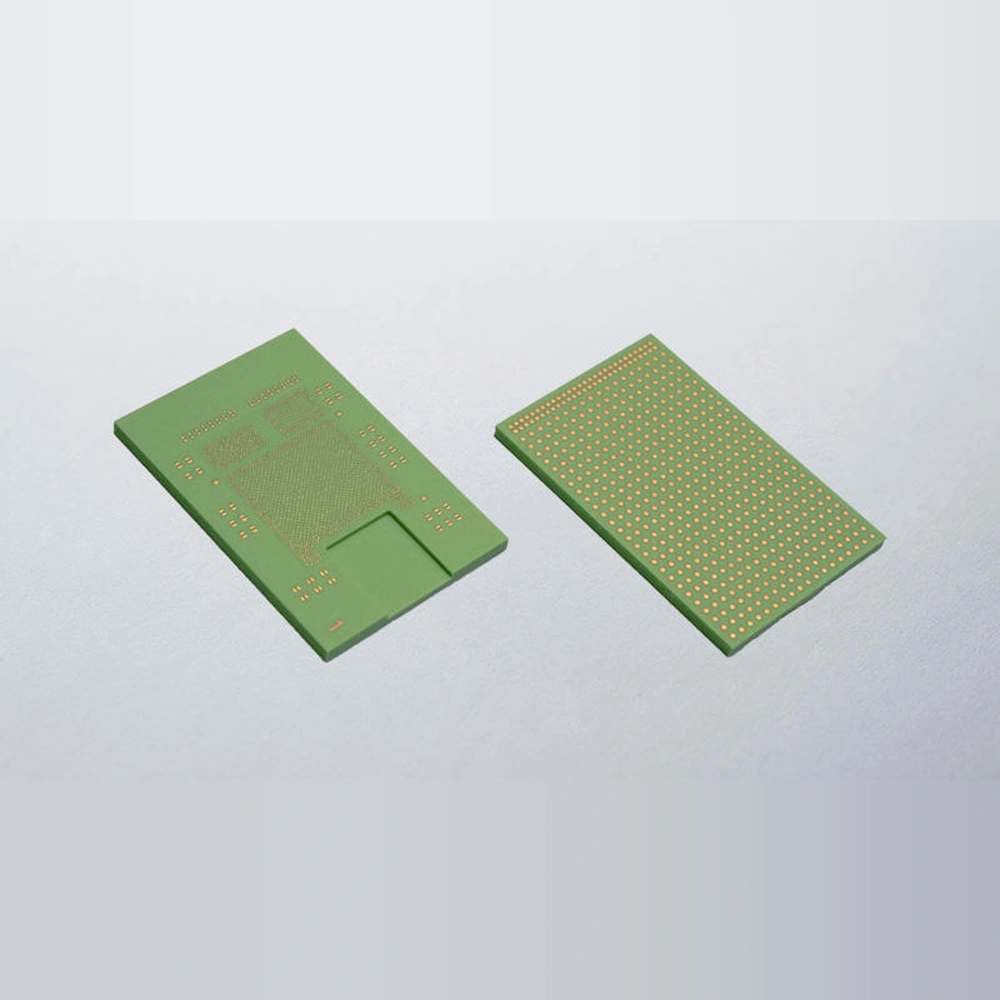
Low-temperature co-fired glass-ceramic multilayer substrates for high-frequency and compact electronic packaging; this route is related to, but not classified as, 96% or 99.6% dense alumina.
Browse Products
Alumina Ceramic Products
Zirconia Ceramic Products
Silicon Carbide Products
Silicon Nitride Products
Aluminum Nitride Products
Product Description

LTCC substrates integrate interconnections and selected embedded features within a co-fired glass-ceramic multilayer body.
The lower-temperature process accommodates compatible low-resistance conductors for compact RF, high-frequency and communication packages. LTCC is a distinct material system, not a dense 96% or 99.6% alumina plate.
LTCC uses a glass-ceramic multilayer material system, rather than dense 96% or 99.6% alumina. Materials, conductor system and electrical requirements are confirmed together.
Product Features
- Multilayer routing integrates interconnections within a compact glass-ceramic body.
- Compatible low-resistance conductor systems support high-frequency circuit design.
- Selected embedded features reduce the need for separate interconnection structures.
Typical Applications & Selection
- High-Frequency Packages
- Optical Communication
Select a specific glass-ceramic system
LTCC uses glass-ceramic layers and compatible conductors. Its material system should be identified explicitly rather than classified as a dense 96% or 99.6% alumina substrate.
Design the RF path as a complete structure
For high-frequency modules, evaluate dielectric behavior at the intended frequency together with layer thickness, conductor layout and interconnections. A low-loss material label does not establish finished-circuit performance.
LTCC: co-designed glass-ceramic and conductors
LTCC uses a glass-ceramic system whose lower firing temperature allows compatible conductor systems such as silver or copper. The chosen tape, metal and firing atmosphere are a matched system. Multilayer routing and selected embedded functions are built into the co-fired body; dense-alumina properties do not automatically apply.

LTCC Glass-Ceramic (GL570) Properties
| Material property | GL570 — LTCC glass-ceramic | Test condition / basis |
|---|---|---|
| Relative permittivity | 5.6 / 5.7 | 1 MHz / 2 GHz, respectively |
| Dielectric loss tangent | 0.0003 / 0.0007 | 1 MHz / 2 GHz, respectively |
| Thermal conductivity | 2.8 W/(m·K) | — |
| Coefficient of thermal expansion | 3.4 × 10⁻⁶/K | Room temperature–400°C |
| Bending strength | 200 MPa | Three-point bending |
| Co-fire-compatible conductor | Copper | Co-fired material system |
How to Read the Parameters
- Permittivity and loss
Relative permittivity and loss tangent depend on material, frequency and conditions.
Specify: Operating frequency, test method and selected tape system.
- Conductor behavior
Conductor material and geometry influence circuit resistance and RF loss.
Specify: Metal system, thickness, routing and finished-circuit requirements.
- Fired dimensions
Layer thickness and registration must reflect the co-fired construction.
Specify: Shrinkage basis, critical dimensions and usable assembly area.
- CTE and thermal path
Expansion and conductivity belong to the specific glass-ceramic formulation.
Specify: Temperature interval and grade; do not substitute dense-alumina values.
Design, Inspection & RFQ Review
Frequency-specific behavior
Select dielectric and conductor data relevant to the operating band.
Embedded functions
Filters and other internal features require explicit layout and electrical acceptance targets.
Assembly compatibility
Coordinate expansion behavior, contact finish, attachment and package interfaces.
Send With Your Drawing
- Tape/material system, conductor system and fired layer stack.
- Via and cavity geometry, routing, interfaces and dimensional/shrinkage requirements.
- Operating frequency, electrical targets, surface finish and assembly conditions.
Include the drawing revision, sample and production quantities, and required inspection documents.
Define Acceptance Before Production
- Inspect fired dimensions, routing/via continuity and isolation against the approved design.
- Validate relevant dielectric/circuit performance and assembly compatibility using defined test conditions.
Agree the test methods, sampling plan, acceptance limits and required reports before production.
Available Forms
LTCC is related to the electronic-substrate family but is not a 96% or 99.6% dense alumina grade.
- High-Frequency Substrates
- Multilayer Packages
- Cavity Structures
- Custom Integrated Layouts
Engineering Questions
Is LTCC simply a lower-temperature version of a bare alumina plate?
No. It is a distinct glass-ceramic multilayer system with compatible conductors and its own material properties, shrinkage and design rules.
Is LTCC a 96% or 99.6% dense-alumina grade?
No. It is a glass-ceramic co-fired system with its own material and conductor data.
Does low dielectric loss alone guarantee a low-loss RF module?
No. Conductor geometry, interfaces, vias and packaging also matter. Validate the finished path at the required frequency.
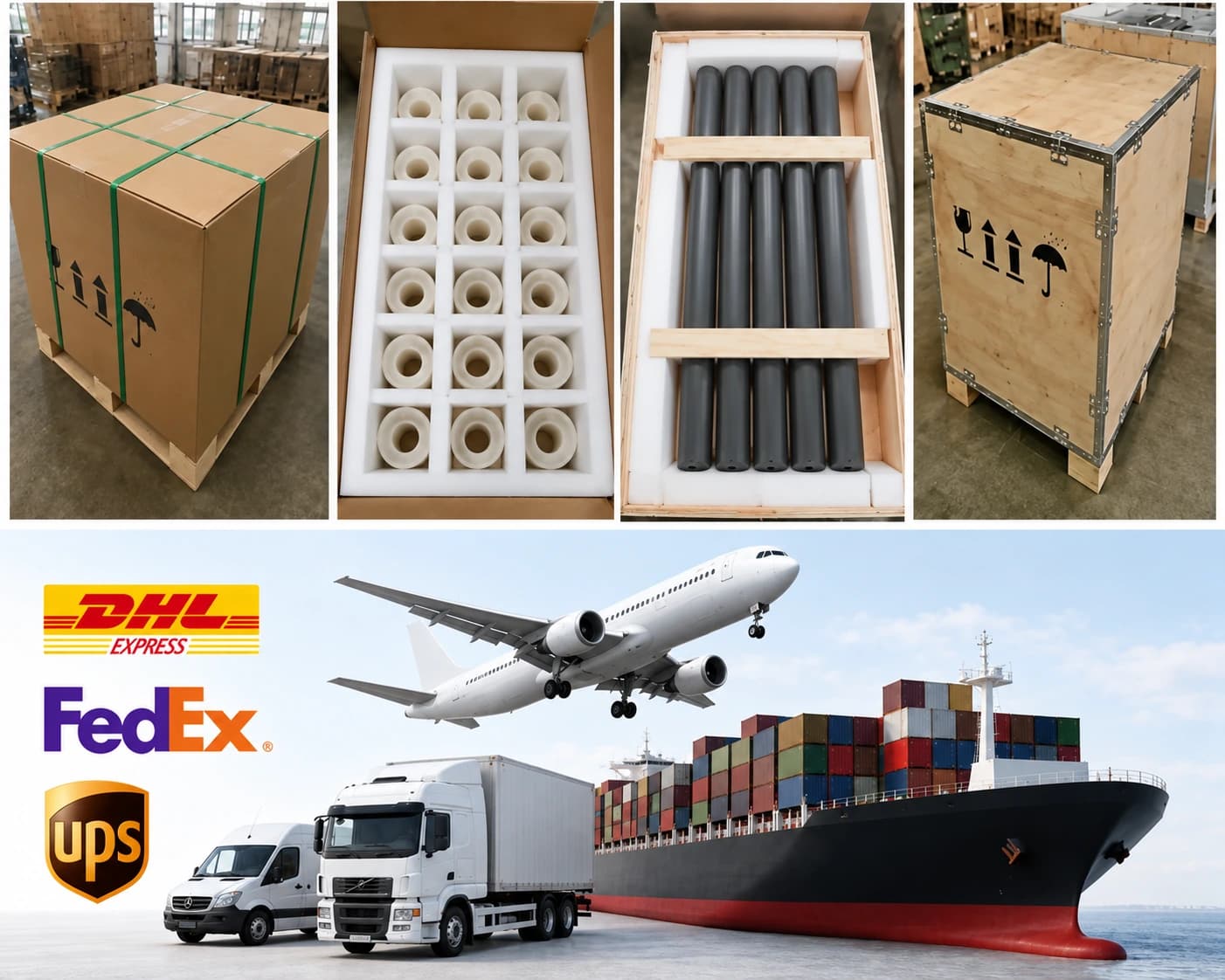
Packaging & Shipping
Packaging is selected for substrate finish, quantity and export handling.
| Item | Details |
|---|---|
| Packaging approach | Packaging is selected for substrate finish, quantity and export handling. |
| Protection methods | Individual separation; Anti-scratch interlayers for polished surfaces; Tray or foam protection; Inner box and export carton; Moisture protection where appropriate; Wooden case for larger export consignments when required |
| MOQ reference | Confirmed by quotation |
| Lead-time references | LTCC development and production: Confirmed after stack, conductor, tooling and qualification review |
| Payment terms | T/T / Western Union / PayPal; 50% advance payment, 50% balance before shipment |
| Shipping methods | Sea freight / Air freight / Door-to-door courier |
Related Ceramic Substrate Products
Compare related ceramic substrate materials and metallization routes within the same product family.