
Alumina Crucibles
Ceramic Crucible
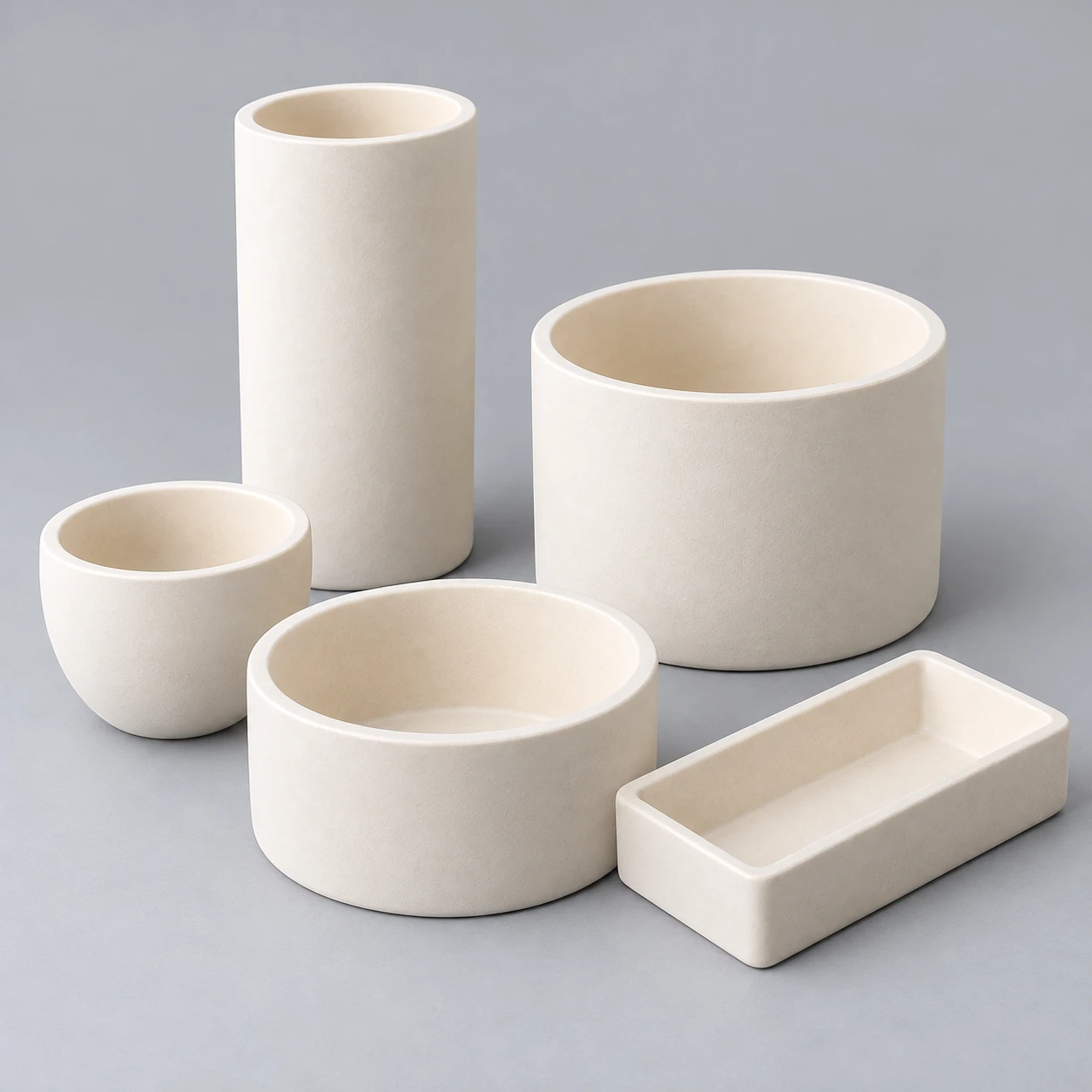
- Material
- Alumina
- Size
- Drawing-defined dimensions
- Quantity
- Specify trial and production quantities
- Applications
- Laboratory and thermal processing
Alumina crucibles are ceramic vessels for laboratory sample preparation, calcination and high-temperature material processing, offering heat stability, chemical resistance and a choice of purity levels.
Browse Products
Alumina Ceramic Products
Zirconia Ceramic Products
Silicon Carbide Products
Silicon Nitride Products
Aluminum Nitride Products
Product Description
Alumina crucibles are ceramic vessels for laboratory sample preparation, calcination and high-temperature material processing, offering heat stability, chemical resistance and a choice of purity levels.
Alumina crucibles contain powders, samples and compatible melts during furnace heating. They are used for ashing, calcination, heat treatment and laboratory melting, keeping the charge separated from the furnace hearth and surrounding materials.
The alumina body remains stable in oxidizing environments and provides a hard, chemically resistant contact surface. Higher-purity grades reduce the amount of secondary constituents where sample contamination is important; compatibility still depends on the charge and any fluxes.
Cylindrical, conical and shallow forms offer different working volumes and exposed surface areas. A lid can limit direct exposure or help retain material, while wall thickness and heating/cooling rates are selected together to control thermal stress.
Product Features
- High-temperature containment: The sintered oxide body provides a stable vessel for controlled furnace heating and extended holds.
- Purity for cleaner processing: Alumina grades with fewer secondary constituents help limit unwanted additions to contamination-sensitive samples and process materials.
- Chemical and oxidation resistance: Alumina is an oxidation-stable alternative to carbon-containing vessels and resists many process chemicals. Strong alkalis and reactive fluxes require separate compatibility assessment.
- Useful vessel configurations: Tall forms provide depth, wider forms expose more charge area, and lids or pouring features adapt the vessel to handling and transfer.
Typical Applications
- Laboratory ashing and gravimetric sample preparation in controlled furnace cycles
- Calcination and heat treatment of ceramic powders and other compatible process materials
- Small-batch melting or thermal testing where charge/alumina compatibility is established
Typical Properties & Product Data
Alumina Typical Material Properties
| Property | 95% Al₂O₃ | 99% Al₂O₃ | 99.5% Al₂O₃ | 99.8% Al₂O₃ | Condition / basis |
|---|---|---|---|---|---|
| Density (g/cm³) | 3.65 | 3.85 | 3.90 | 3.92 | — |
| Fracture toughness (MPa·m½) | 3–4 | 3–4 | 4 | 4 | — |
| Young’s modulus (GPa) | 320 | 340 | 370 | 390 | — |
| Flexural strength (MPa) | 300 | 330 | 375 | 390 | 25°C |
| Compressive strength (MPa) | 2200 | 2350 | 2450 | 2500 | 25°C |
| Thermal conductivity (W/(m·K)) | 18–22 | 27 | 29 | 32 | 25°C |
| Linear thermal expansion coefficient (10⁻⁶/K) | 8 | 8 | 8 | 8 | 25–1000°C |
| Dielectric strength (kV/mm) | 16 | 20 | 22 | 22 | — |
| Volume resistivity (Ω·cm) | 10¹⁴ | 10¹⁴ | 10¹⁴ | 10¹⁴ | 25°C |
| Relative permittivity | 9 | 9.7 | 9.7 | 9.8 | 1MHz, 25°C |
| Dielectric loss | 0.0004 | 0.0002 | 0.0002 | 0.0001 | 1MHz, 25°C |
| Vickers hardness (HV) | >1300 | 1700 | 1750 | 1800 | — |
| Material thermal-shock temperature difference, ΔT (°C) | 220 | 180–200 | 180–200 | 180–200 | — |
| Typical maximum material temperature (°C) | 1500 | 1650 | 1700 | 1700 | — |
Product Geometry & Configuration
| Product parameter | Configuration | Function |
|---|---|---|
| Vessel form | Cylindrical, conical, high-form or shallow vessel | Balances working volume, heating exposure and access to the charge |
| Working capacity | Usable internal volume in mL or L | Defined below the brim to allow headroom for the process |
| Main dimensions | Top/base diameter, height and internal depth | Defines furnace fit and the usable cavity |
| Wall and base | Drawing-defined thickness and bottom profile | Influences temperature gradients and mechanical support |
| Lid and rim | Open vessel, fitted lid or pouring feature | Selected for exposure, handling and transfer requirements |
Crucible Dimensions and Capacity
Specify the usable internal space separately from the outer envelope. A working charge needs headroom and can have a different volume from the vessel's geometric capacity.
| Parameter | Meaning | Specification guidance |
|---|---|---|
| Outer envelope | Top outside diameter, base outside diameter and overall height | Controls furnace clearance, holders and handling tools. |
| Internal geometry | Opening diameter, internal depth, taper and bottom profile | For an ideal cylindrical cavity: V = π × ID² × h / 4; actual tapered or rounded cavities differ. |
| Wall / base | Wall thickness and bottom thickness | State the measurement position; a tapered wall is not fully described by one number. |
| Working capacity | Usable fill volume in mL or L | 1 mL = 1 cm³. Identify fill level; do not equate brim capacity with operating charge. |
| Lid and rim | Lid seating, clearance and pouring geometry | State whether a lid is part of the enquiry and provide mating dimensions. |
Capacity and wall geometry support selection, but chemical compatibility, contamination limits and the complete heating cycle determine suitability for the charge.
Available Forms
Common vessel forms include tall and wide cylindrical crucibles, rounded cups and shallow trays. Select the form around working capacity, charge chemistry and furnace clearance.
- Tall or wide cylindrical vessels
- Rounded cups and shallow trays
- Lid and pouring-feature requirements
Packaging & Shipping
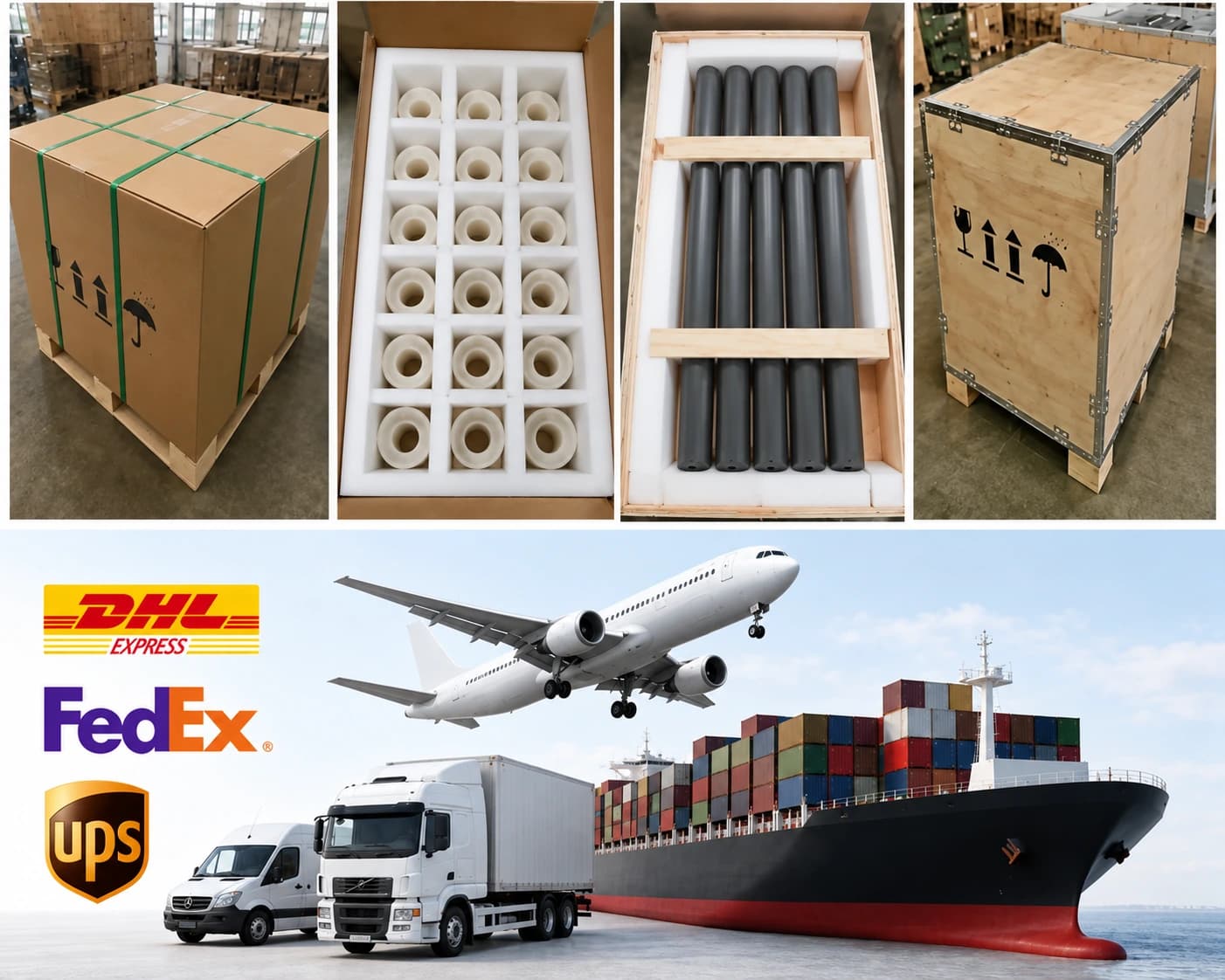
Packaging and transport are specified around component geometry, quantity and delivery requirements.
| Item | Details |
|---|---|
| Protection | Identify fragile edges, functional surfaces and individual separation requirements. |
| Packing scope | Confirm protective materials, carton or case arrangement and handling instructions with the order. |
| Shipping requirements | Provide destination, requested transport method and delivery requirements. |
| Payment terms | T/T / Western Union / PayPal; 50% advance payment, 50% balance before shipment |
| Shipping methods | Sea freight / Air freight / Door-to-door courier |
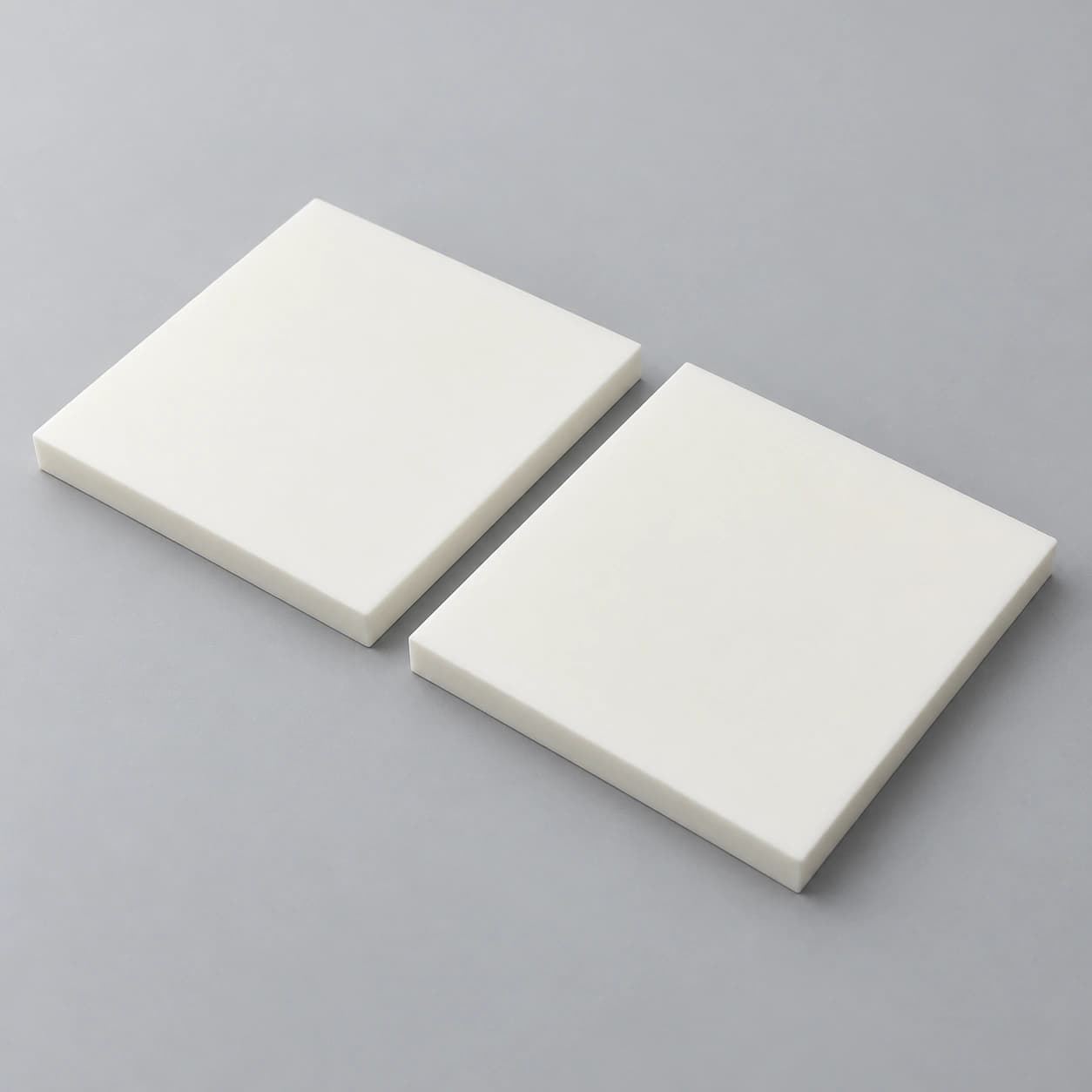
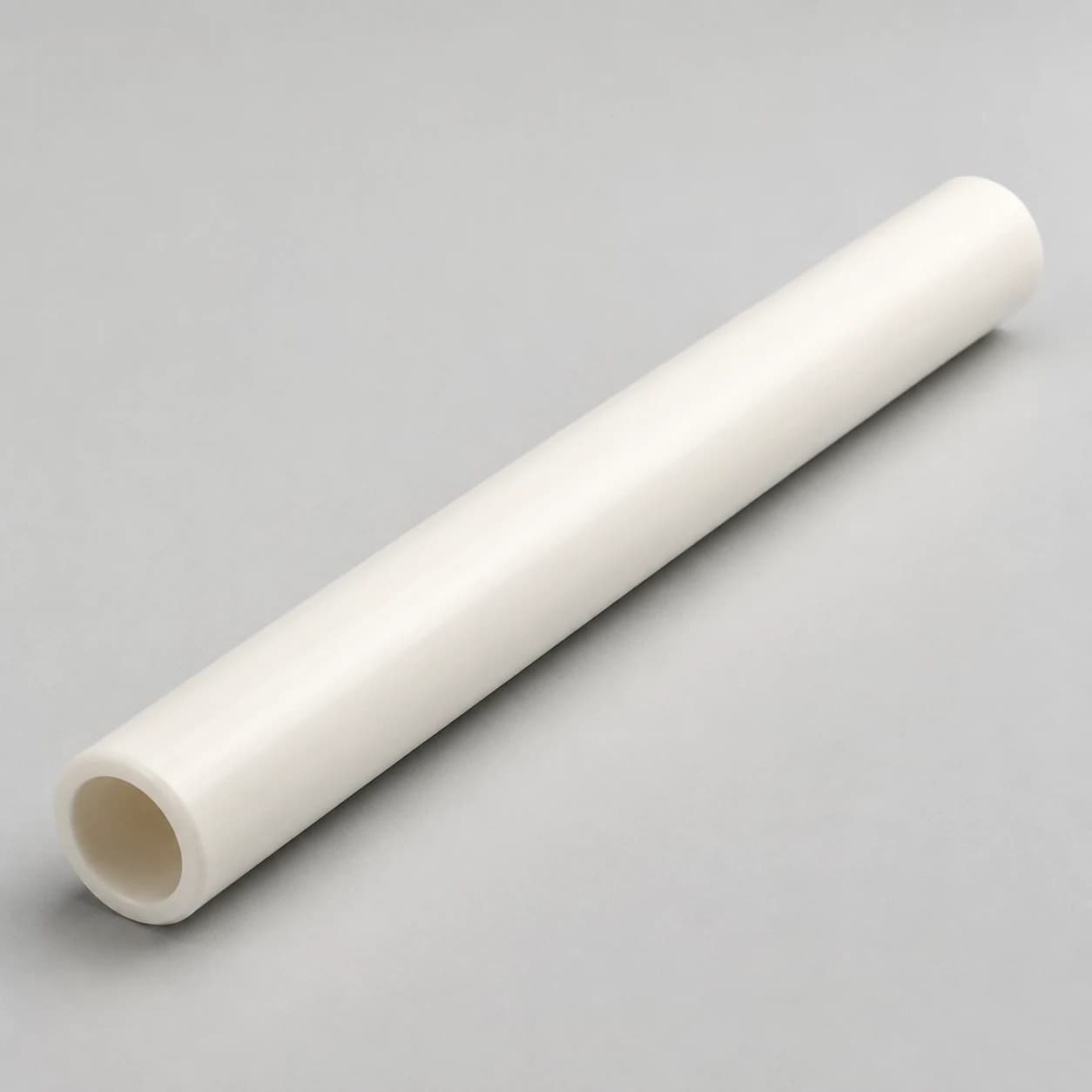
Related Ceramic Products
Explore distinct product requirements and material selections.
Frequently Asked Questions
Is a high-purity alumina grade always the right choice?
Purity is one selection factor. Charge chemistry, allowable contamination, geometry and the thermal cycle also matter. State the required purity or existing grade, rather than assuming one grade suits every process.
What if I do not have a drawing?
A dimensional sketch or existing part reference can start the enquiry. Include internal capacity, top and base dimensions, height, lid requirements and photographs that you have permission to share.
Can one maximum temperature cover every application?
No. Grade, atmosphere, load, hold time and heating/cooling cycle affect the operating envelope. The enquiry should describe the whole duty rather than only a peak temperature.