Double-Sided Polished AlN Ceramic Substrates
Ceramic Substrate
SKU: FWM/CS-ALN-003
- Material
- Aluminum Nitride
- Size
- Custom sizes by drawing
- MOQ
- By quotation
- Applications
- Thin-Film Circuits
Double-sided polished AlN substrates for precision thin-film, optical and microelectronic assembly processes.
Browse Products
Alumina Ceramic Products
Zirconia Ceramic Products
Silicon Carbide Products
Silicon Nitride Products
Aluminum Nitride Products
Product Description

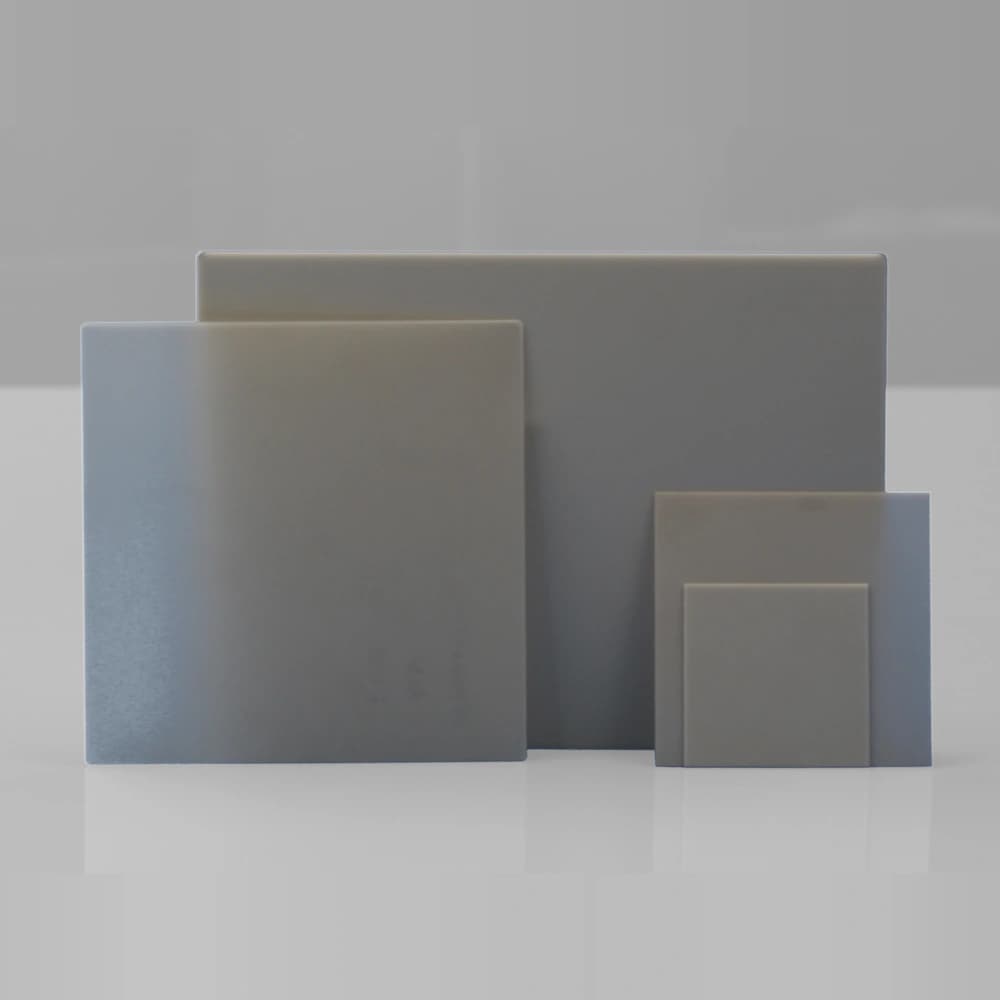
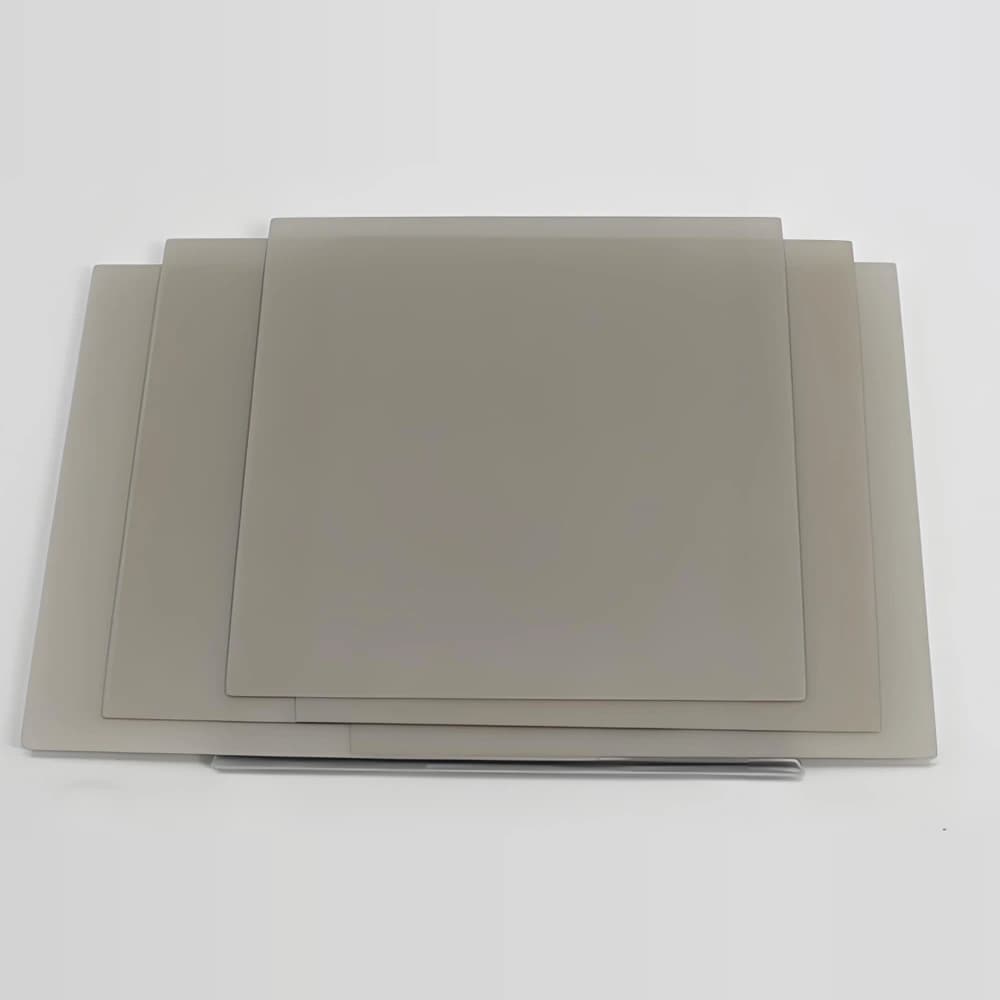
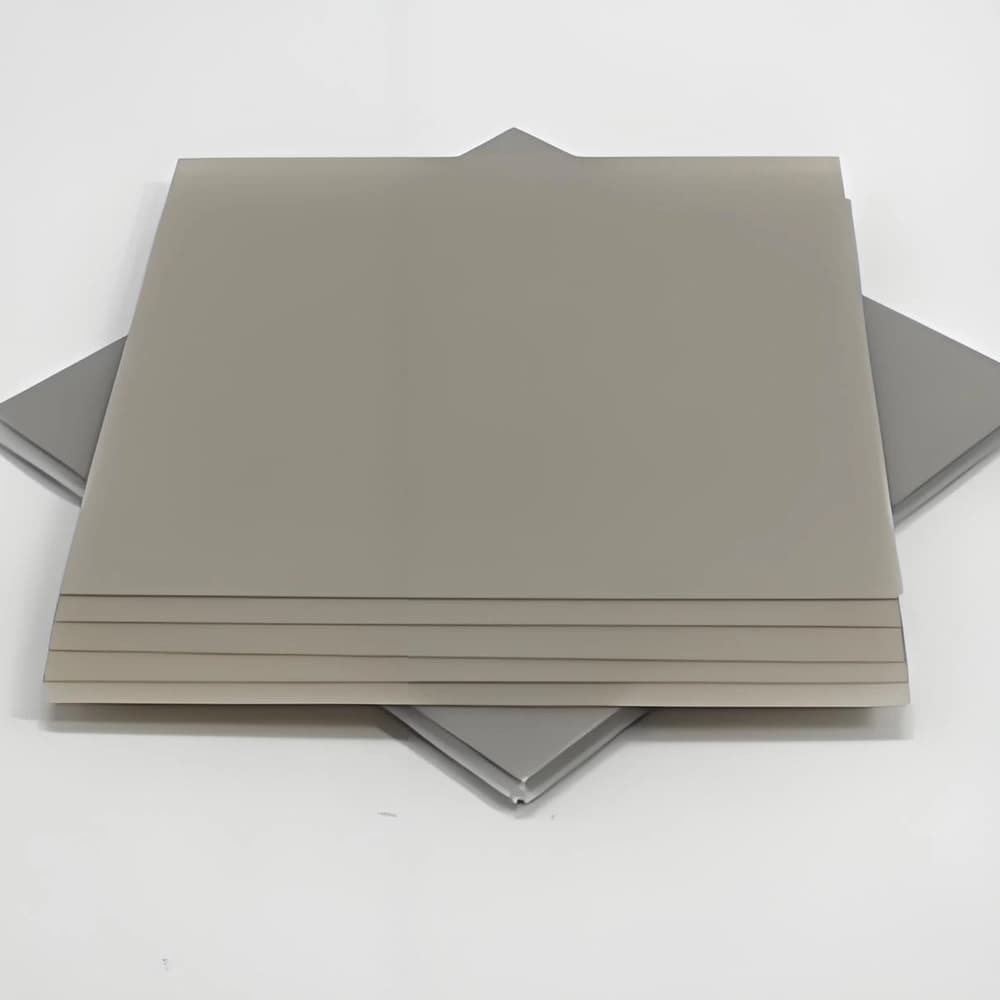
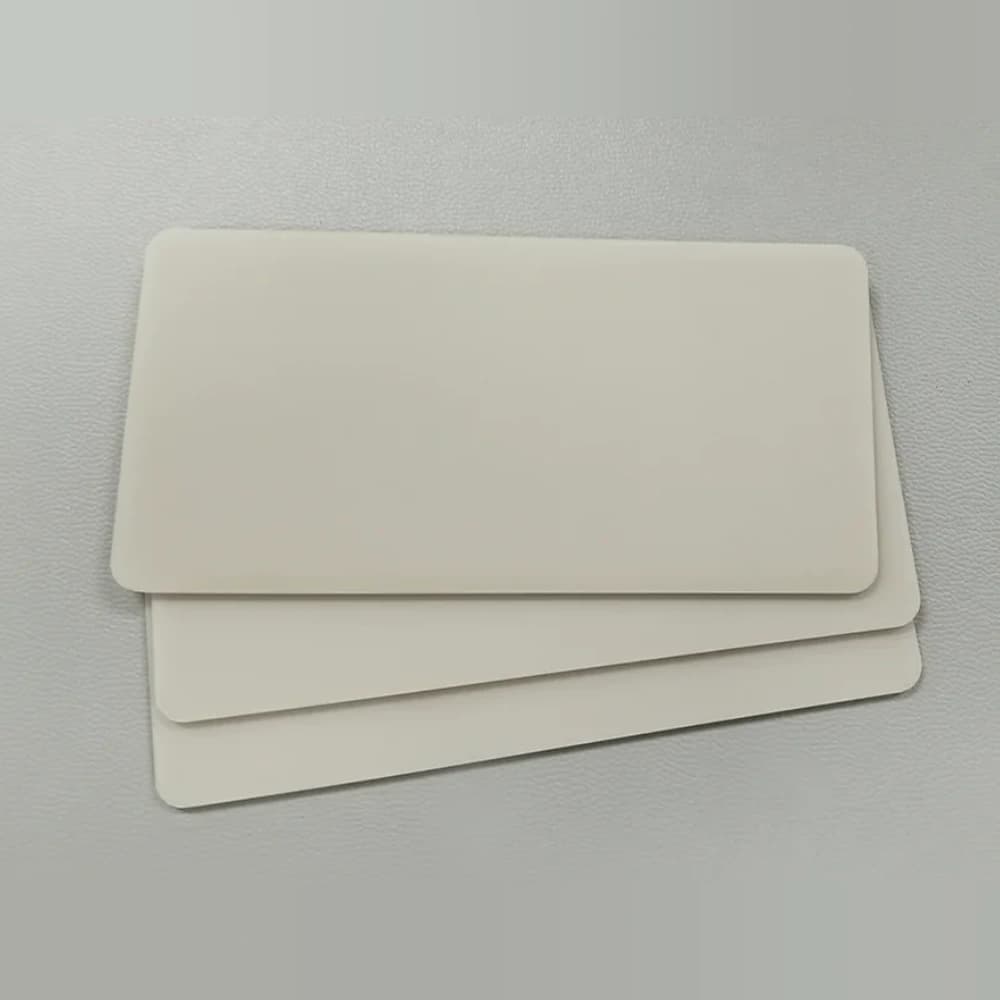
Double-sided polished AlN substrates provide finished surfaces on both faces for circuit fabrication, precision attachment or thermal contact.
AlN carries heat through an electrically insulating ceramic body, while polishing controls the local texture at each interface. Surface roughness does not by itself define parallelism or thickness variation.
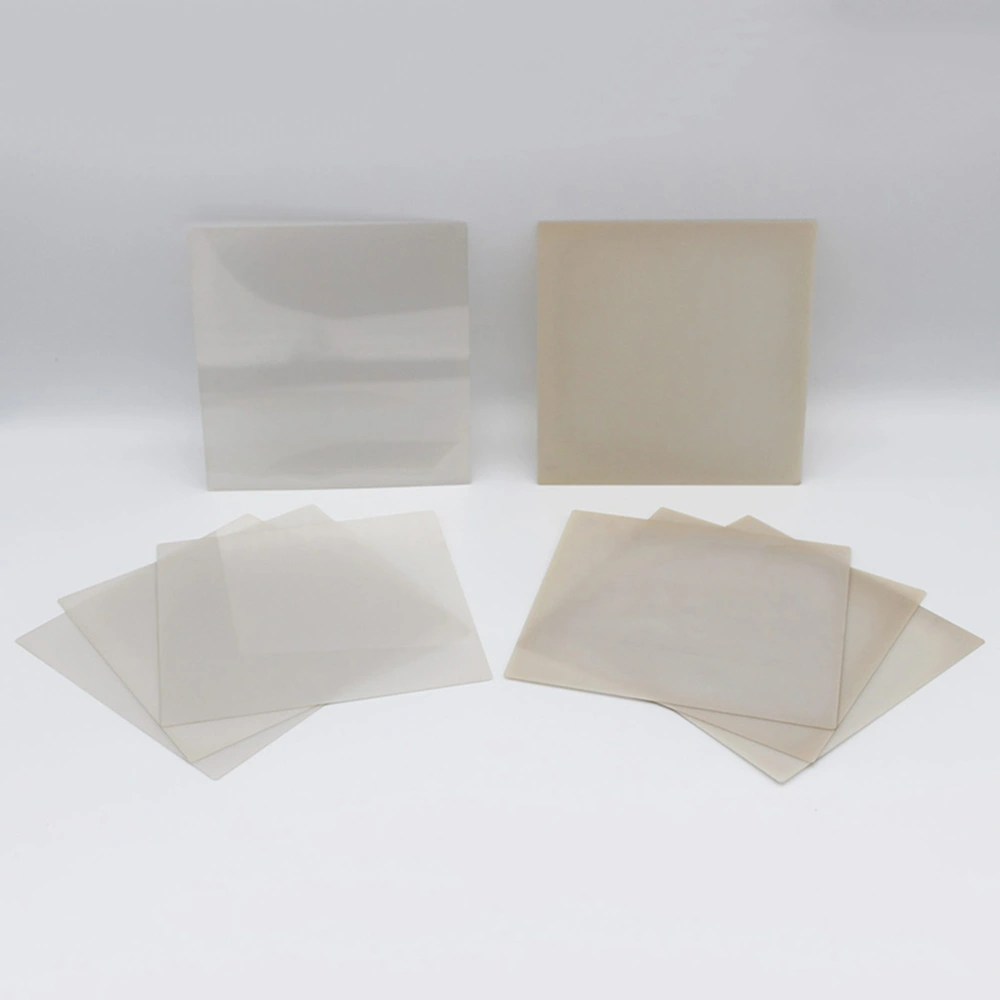
The images illustrate a surface-finished substrate. Specify the required finish on each face; gloss alone does not demonstrate surface roughness or flatness.
Product Advantages
- Both finished faces provide defined interfaces for circuit fabrication or attachment.
- The AlN body conducts heat while electrically separating opposite contact surfaces.
- Independent face specifications support different front-side and rear-side functions.
Typical Applications
- Thin-Film Circuits: polished faces support deposition and fine circuit definition.
- Optoelectronic Packaging: front attachment and rear thermal-contact surfaces share one insulating carrier.
Technical Data
95% AlN Substrate Properties
| Property | 95% AlN typical value | Condition / method |
|---|---|---|
| AlN content (%) | 95 | — |
| Density (g/cm³) | ≥3.3 | — |
| Flexural strength (MPa) | ≥400 | — |
| Thermal conductivity (W/(m·K)) | ≥170 | Room temperature |
| Relative permittivity | 8–10 | 1 MHz; room temperature |
| Dielectric loss tangent | ≤0.0003 | 1 MHz; room temperature |
| Dielectric strength (kV/mm) | 17 | — |
| Volume resistivity (Ω·cm) | ≥10¹⁴ | — |
How to Read the Parameters
- Ra or Rq
Surface-texture parameters in µm or nm describe different statistical measures.
Specify: Parameter, instrument method, filtering and measurement area or length.
- Total thickness variation
Variation in thickness is distinct from surface roughness.
Specify: Measurement grid, usable area and finished-thickness definition.
- Flatness or parallelism
Geometric controls address shape or the relationship between faces.
Specify: Datums, supports, span and temperature.
- Surface defects
Average roughness does not describe every pit, scratch or edge defect.
Specify: Defect classes, inspection area and acceptance limits.
Polished surfaces: define what the assembly needs
Polishing changes surface texture, while thickness variation, flatness and parallelism describe different geometry. Specify each functional face and the local defect requirements rather than relying on a single roughness value.
01Identify functional faces
Mark surfaces used for film deposition, optical alignment, attachment or thermal contact.
02Set geometry requirements
Define finished thickness, thickness variation and other required shape controls.
03Specify the surface condition
Choose the relevant texture parameter and acceptable local defects for the downstream process.
04Inspect and protect
Verify the agreed surface and geometric criteria, then protect functional faces during handling and shipment.
Application Conditions & Design Review
Define both functional surfaces
Two-sided polishing is useful when both faces participate in bonding or precision processing. Specify each face individually if their roughness or defect requirements differ.
Separate finish from shape
Roughness, flatness, parallelism and total thickness variation describe different aspects of the part. Select the required combination around the deposition or assembly equipment.
Film integration
Relate surface texture and defects to the actual film stack and patterning requirements.
One or two faces
State whether both faces are functional and whether their specifications differ.
Attachment interfaces
Surface requirements can differ for die attachment, wire bonding and a thermal interface.
Send With Your Drawing
- Face A/face B roughness and defect criteria.
- Thickness, total thickness variation, parallelism and flatness definitions.
- Downstream film or bonding process, cleaning restrictions and handling requirements.
Include the drawing revision, sample and production quantities, and required inspection documents.
Define Acceptance Before Production
- Measure both functional faces and the specified cross-part geometry.
- Inspect for polishing damage and contamination before release to the next operation.
Agree the test methods, sampling plan, acceptance limits and required reports before production.
Available Forms & Processing
Product-specific geometry and processing features.
- AlN plates with the finish and functional area defined for each face.
- Face roughness, flatness, parallelism and total thickness variation specified independently.
- Double-sided polishing kept distinct from double-sided copper or conductive vias.
Engineering Questions
Can I specify only a mirror-grade finish?
A descriptive finish is not enough for acceptance. Add measurable roughness and defect criteria, plus the geometric limits required by your process.
Does low Ra guarantee a flat substrate?
No. Roughness describes local texture; flatness and thickness variation must be controlled separately.
Should both polished faces have the same specification?
Only if the assembly requires it. Define the function and acceptance criteria of each face separately.
Packaging & Shipping
AlN substrates receive individual separation and surface protection appropriate to the finish.
| Item | Details |
|---|---|
| Packaging approach | AlN substrates receive individual separation and surface protection appropriate to the finish. |
| Protection methods | Individual separation; Anti-scratch interlayers; Rigid trays or foam protection; Moisture protection where appropriate; Inner box and export carton; Wooden case when required |
| MOQ reference | By quotation |
| Lead-time references | Quotation inputs: Drawing, material, finish, quantity and delivery destination |
| Payment terms | T/T / Western Union / PayPal; 50% advance payment, 50% balance before shipment |
| Shipping methods | Sea freight / Air freight / Door-to-door courier |

Related Ceramic Substrate Products
Compare related ceramic substrate materials and metallization routes within the same product family.